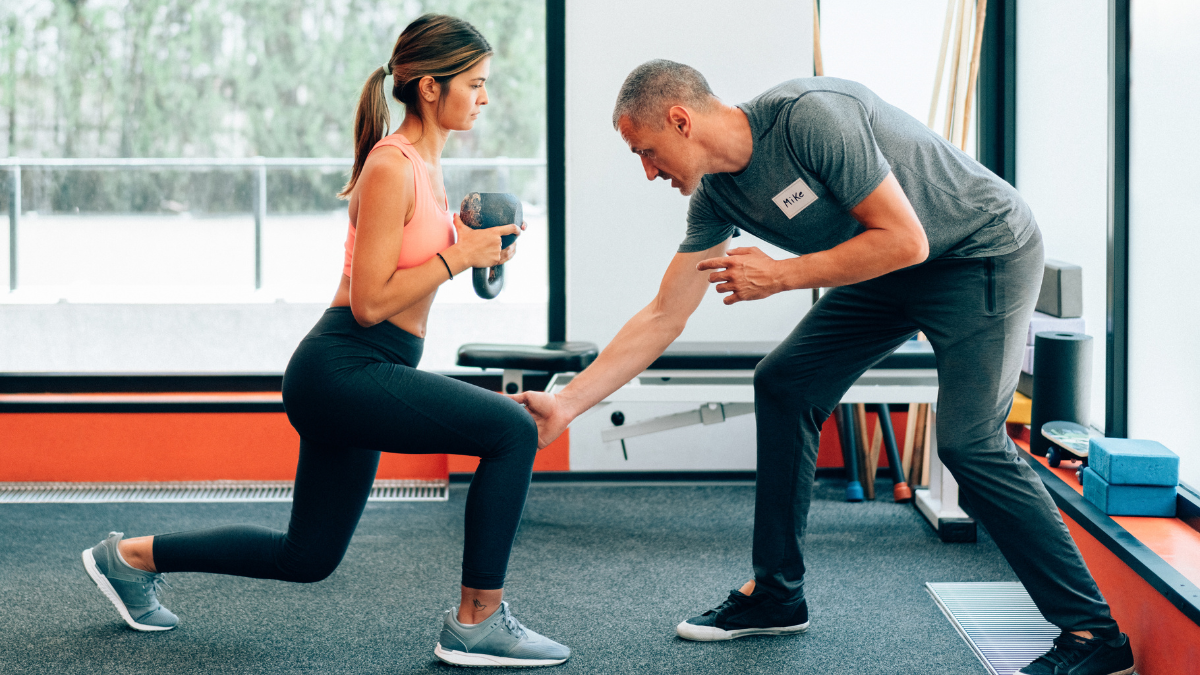
Getting fit can feel like trying to assemble furniture without instructions—you might eventually get there, though it usually takes longer and comes with a few frustrating mistakes along the way. That’s one reason many people turn to personal training services for professional guidance, structure, and support.
A personal trainer helps create a fitness plan built around your goals, current fitness level, and physical condition. Instead of following random workouts online, you receive a program designed specifically for your needs. From weight loss and strength development to athletic performance and healthy aging, personal training can provide a clear path forward.
The fitness industry continues to grow, with the International Health, Racquet & Sportsclub Association (IHRSA) reporting that millions of Americans use fitness facilities each year. As interest in personalized coaching increases, finding the right trainer has become easier through platforms like Thumbtack, where users can compare professionals, reviews, and pricing.
Personal Training Services: What Do They Include?
Most personal training services go far beyond supervising workouts. Trainers create customized fitness programs and adjust them as your body adapts and your goals change.
Common services include:
- Initial fitness assessments
- Personalized workout plans
- One-on-one coaching sessions
- Exercise technique instruction
- Progress tracking
- Goal setting and accountability
- Lifestyle and basic nutrition guidance
- Program modifications based on results
Many trainers hold certifications from respected organizations such as NASM, ACE, ACSM, or ISSA. These credentials demonstrate professional knowledge of exercise science, safety, and program design.
Customized Fitness Programs for Better Results
One of the biggest advantages of hiring a trainer is receiving a plan designed specifically for you.
A personalized program may consider:
| Factor | Why It Matters |
| Age | Exercise intensity and recovery needs vary |
| Fitness level | Prevents injury and excessive workload |
| Medical conditions | Supports safe exercise participation |
| Lifestyle | Improves consistency and adherence |
| Goals | Creates a focused strategy for success |
Unlike generic routines, customized fitness programs adapt to your progress and challenges.
How Accountability Coaching Supports Consistency
Many people know what exercises to do. Staying consistent is often the difficult part.
This is where accountability coaching becomes valuable. Scheduled sessions create structure and encourage you to follow through on your commitments.
Benefits include:
- Regular check-ins
- Goal reviews
- Progress monitoring
- Motivation during setbacks
- Increased workout consistency
Client reviews frequently mention accountability as one of the most valuable parts of working with a trainer.
Weight Loss Coaching and Body Composition Improvement
Many clients seek weight loss coaching to create healthier habits and improve body composition.
A trainer typically combines:
- Strength training
- Cardiovascular exercise
- Functional movement training
- Mobility work
- Lifestyle recommendations
Some trainers collaborate with registered dietitians or provide general nutrition guidance within their scope of practice.
A common concern is that weight loss happens quickly. Results vary significantly based on consistency, nutrition habits, sleep quality, stress levels, and overall health. Sustainable progress often develops over months rather than weeks.
Strength Training Programs for Muscle Development
Strength training programs help increase muscle mass, improve endurance, and support daily physical function.
A trainer carefully manages:
- Exercise selection
- Training volume
- Recovery periods
- Progressive overload
- Injury prevention
This structured approach helps reduce plateaus and promotes steady improvement.
User Experience: Building Confidence Through Strength Training
Many first-time gym members report feeling overwhelmed by equipment and exercise choices. Working with a trainer often improves confidence because exercises are demonstrated clearly and adjusted when needed.
Clients commonly mention learning proper form as one of the biggest benefits they gain during their first few months.
Sports Performance Training for Athletes
Athletes often use sports performance training to improve specific physical skills related to competition.
Programs may focus on:
- Speed
- Agility
- Power
- Endurance
- Balance
- Injury prevention
A runner, for example, may prioritize mobility and endurance, while a basketball player may focus on explosive power and agility.
Different sports require different training methods, which is why sport-specific coaching can be highly effective.
Senior Fitness Training for Healthy Aging
Physical activity becomes increasingly important with age.
Senior fitness training focuses on maintaining:
- Mobility
- Balance
- Flexibility
- Joint health
- Functional strength
These programs help support independence and reduce fall risk.
Trainers experienced with older adults modify exercises to accommodate limitations while still promoting progress.
In-Person vs. Virtual Personal Training
Technology has expanded access to fitness coaching.
Today’s trainers often provide both in-person and online services.
| Feature | In-Person Training | Virtual Training |
| Direct supervision | Yes | Limited |
| Location flexibility | Limited | High |
| Equipment access | Gym dependent | Home-friendly |
| Scheduling convenience | Moderate | High |
| Real-time corrections | Excellent | Good |
Virtual training has become increasingly popular for people with busy schedules or limited access to local trainers.
Platforms such as Thumbtack make it easier to compare trainers who offer both formats.
Mental and Emotional Benefits of Personal Training
Physical improvements often receive the most attention, though mental benefits can be equally meaningful.
Regular exercise may help support:
- Stress management
- Improved mood
- Better energy levels
- Increased confidence
- Greater self-discipline
Many clients report feeling stronger mentally after maintaining a consistent exercise routine for several months.
That said, exercise should not replace professional mental health treatment when additional support is needed.
How to Choose the Right Personal Trainer
Finding the right trainer involves more than reviewing certifications.
Ask questions about:
- Experience level
- Areas of specialization
- Coaching style
- Client success stories
- Scheduling availability
- Pricing structure
Reading reviews and speaking directly with trainers can help determine if their approach aligns with your goals.
Common Questions
Are personal trainers worth the cost?
Many people find value in professional guidance, accountability, injury prevention, and faster progress. The overall benefit depends on your goals and commitment level.
How often should you meet with a trainer?
Many clients begin with one to three sessions per week. Frequency depends on budget, goals, and experience.
Can beginners work with personal trainers?
Yes. Beginners often benefit significantly because trainers teach proper technique and create structured plans from the start.
Long-Term Value of Personal Training
The strongest benefit of personal training often extends beyond physical changes. Learning proper exercise habits, building consistency, and developing confidence can create lasting improvements in health and wellness.
Professional coaching helps remove guesswork and provides a clear roadmap toward your goals. If you’re seeking weight loss, muscle development, athletic improvement, or better overall health, personal training can provide practical support along the way.
Take time to compare trainers, ask questions, and find a coaching style that fits your needs. The right guidance can make the process simpler and far easier to maintain long term.
Leave a Reply