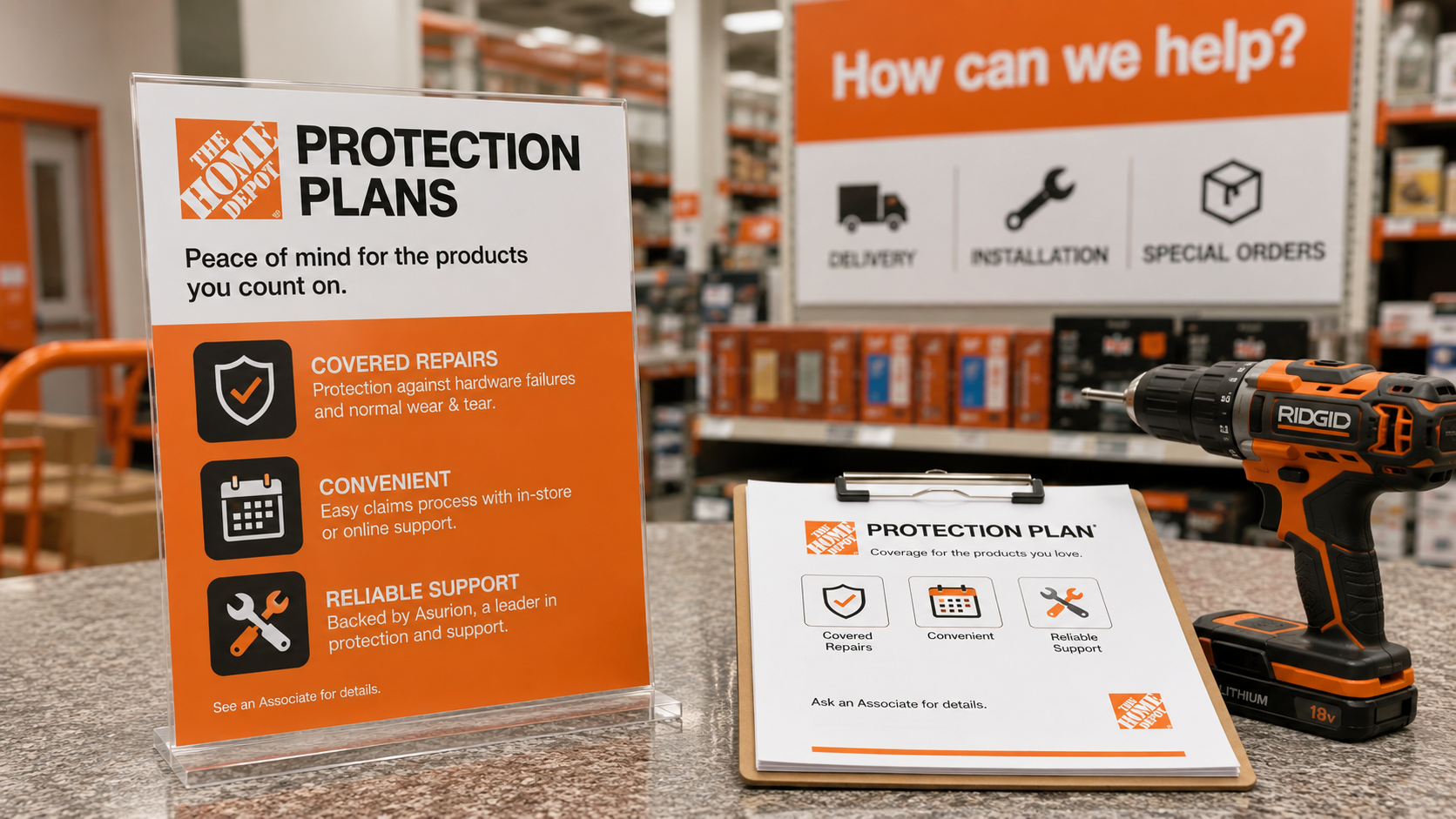
Making a significant purchase for your home often involves more than simply choosing the right product. Whether you’re buying a new refrigerator, upgrading your power tools, installing a smart home device, or replacing a washing machine, protecting that investment is equally important. Unexpected repairs and equipment failures can happen even with products from trusted brands, and those costs can quickly add up. That’s why many homeowners look beyond the manufacturer’s warranty for additional protection.
Home Depot Protection Plans are designed to provide extended coverage for eligible products purchased from Home Depot. These optional service plans help protect against covered mechanical and electrical failures that may occur after the manufacturer’s warranty expires. Depending on the product category and specific plan, customers may receive repair services, replacement options, or reimbursement if a covered issue cannot be resolved.
For homeowners, DIY enthusiasts, landlords, and contractors, unexpected equipment downtime can interrupt daily routines and delay important projects. Having an additional layer of protection can make dealing with these situations much easier while reducing out-of-pocket repair expenses.
Understanding how Home Depot Protection Plans work can help shoppers make informed purchasing decisions. While these plans are not necessary for every product, they can provide valuable benefits for appliances, electronics, outdoor power equipment, and other high-value purchases that see frequent use.
What Are Home Depot Protection Plans?
Home Depot Protection Plans are optional extended service agreements available for many products sold by Home Depot. These plans are designed to continue protecting eligible purchases after the manufacturer’s original warranty period ends.
Unlike a standard manufacturer’s warranty, which usually covers defects in materials or workmanship, protection plans may include additional coverage for certain mechanical or electrical failures that develop through normal use during the covered period.
Protection plans are available across numerous product categories, including:
- Major kitchen appliances
- Laundry appliances
- Refrigerators and freezers
- Dishwashers
- Water heaters
- Smart home devices
- Power tools
- Outdoor power equipment
- Televisions
- Home electronics
- Grills
- Home comfort systems
- Small appliances
Coverage varies depending on the product and protection plan selected, so reviewing the plan agreement before purchasing is always recommended.
How Home Depot Protection Plans Work
Purchasing a Home Depot Protection Plan is generally a straightforward process. Customers can add eligible coverage when buying a qualifying product online or in-store. In some cases, Home Depot also allows customers to purchase a protection plan within a specified period after buying the product, provided eligibility requirements are met.
For most products, the manufacturer’s warranty remains the primary source of coverage during its active period. Once that warranty expires, the Home Depot Protection Plan begins covering eligible repairs according to the terms of the agreement.
If a covered issue occurs during the protection period, customers typically initiate a claim through the plan administrator. After reviewing the claim, one of several outcomes may occur:
- A technician is scheduled to inspect and repair the product.
- Replacement parts are ordered for the repair.
- The product is replaced if repairs are not practical.
- Reimbursement may be issued when replacement is appropriate under the plan.
The exact claims process and available solutions depend on the product category, protection plan, and nature of the covered problem.
What Types of Issues Are Typically Covered?
Although every protection plan is different, many Home Depot Protection Plans commonly include coverage for eligible problems such as:
Mechanical Failures
Mechanical components naturally experience wear over time. Motors, pumps, compressors, switches, gears, and moving parts may eventually fail even with proper maintenance.
Protection plans often cover qualifying mechanical failures that occur after the manufacturer’s warranty has expired.
Electrical Failures
Modern appliances and tools rely heavily on electronic control boards, sensors, wiring, and digital displays.
Electrical failures involving eligible components may qualify for repair or replacement depending on the specific terms of the protection plan.
Normal Wear From Everyday Use
Some Home Depot Protection Plans include coverage for failures caused by normal everyday use rather than manufacturing defects alone.
This type of coverage can be particularly valuable for products that operate frequently, such as washing machines, refrigerators, or cordless power tools.
Product Replacement
In situations where repairing the product is not practical or would exceed the item’s value, some protection plans may provide a replacement product or reimbursement according to the plan agreement.
Replacement options vary based on product category and plan details.
Key Benefits of Home Depot Protection Plans

Extended Coverage Beyond the Manufacturer’s Warranty
One of the biggest advantages of Home Depot Protection Plans is the ability to continue coverage after the manufacturer’s original warranty ends.
Many manufacturer warranties only last one year, although certain components may receive longer protection. Once that coverage expires, repair costs become the owner’s responsibility.
An extended protection plan helps bridge that gap by continuing eligible coverage for additional years.
Protection Against Unexpected Repair Costs
Repairing large appliances or advanced electronics can become expensive.
Replacing compressors, motors, electronic control boards, or internal electrical components may cost hundreds of dollars depending on the product.
A protection plan can help reduce those unexpected repair expenses when covered failures occur.
Convenient Claims Process
Many customers appreciate having a structured claims process rather than searching independently for qualified repair technicians.
Once a claim is approved, the plan administrator coordinates the next steps, making the repair experience more convenient.
Potential Product Replacement
If repairing a covered product is not economical, certain Home Depot Protection Plans may provide a replacement instead.
Receiving a replacement rather than paying for an expensive repair can offer significant value, particularly for higher-priced purchases.
Greater Confidence When Buying Premium Products
Many shoppers hesitate before purchasing higher-end appliances or premium power tools because replacement costs can be substantial.
Adding extended protection helps many buyers feel more comfortable investing in products designed for long-term use.
Products Commonly Covered by Home Depot Protection Plans
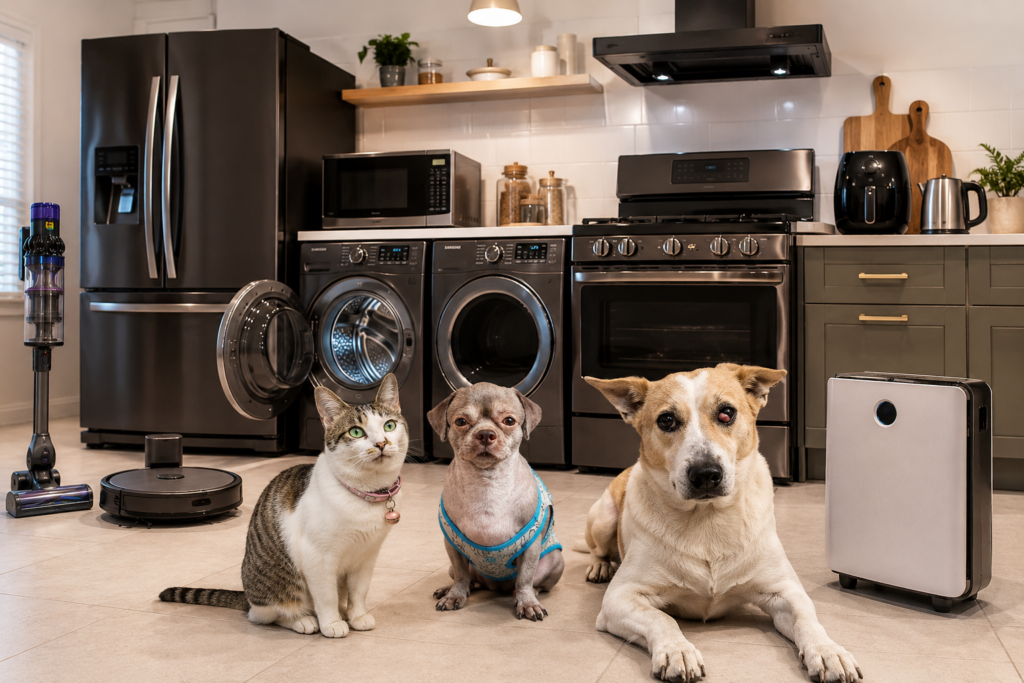
Home Depot offers protection plans across a wide selection of home improvement categories.
Kitchen Appliances
Kitchen appliances represent some of the largest investments inside a home.
Eligible products often include:
- Refrigerators
- Dishwashers
- Ovens
- Cooktops
- Ranges
- Microwaves
- Range hoods
Because these appliances are used daily, extended protection may provide added value over time.
Laundry Appliances
Washers and dryers contain numerous moving parts and electronic systems.
Protection plans may help cover eligible repairs involving motors, control panels, pumps, heating elements, and other covered components.
Power Tools
Cordless drills, impact drivers, saws, sanders, nailers, and other power tools frequently experience heavy use.
For homeowners completing renovation projects or professionals using tools daily, extended coverage may help protect against unexpected repair costs.
Outdoor Power Equipment
Outdoor equipment often operates in demanding conditions.
Eligible products may include:
- Lawn mowers
- Leaf blowers
- Chainsaws
- String trimmers
- Pressure washers
- Snow blowers
Because these machines contain engines, motors, and electronic systems, repairs can become costly without additional coverage.
Home Electronics
Televisions, smart displays, home audio equipment, and various electronics may also qualify for Home Depot Protection Plans depending on the specific product.
Water Heaters
Water heaters operate year-round and play an important role in everyday comfort.
Protection plans may help cover eligible mechanical failures after the manufacturer’s warranty expires.
Home Depot Protection Plans vs. Manufacturer Warranties
Many shoppers assume extended protection simply duplicates the manufacturer’s warranty. In reality, the two serve different purposes.
Manufacturer Warranty
A manufacturer’s warranty is included with the product at no additional cost.
Its primary purpose is to protect customers against manufacturing defects or workmanship issues that become apparent shortly after purchase.
Coverage periods vary by manufacturer and product type.
Home Depot Protection Plans
Home Depot Protection Plans begin where many manufacturer warranties end.
Instead of focusing only on factory defects, these plans may cover eligible failures resulting from normal use during the coverage period.
Depending on the plan, customers may receive repair services, replacement products, or reimbursement when covered issues arise.
Understanding this distinction helps shoppers determine whether extended coverage provides worthwhile value for a particular purchase.
When Is a Home Depot Protection Plan Worth It?
Not every purchase requires an extended protection plan. However, certain products are often better candidates because of their cost, frequency of use, or repair complexity.
A Home Depot Protection Plan may be worth considering if the product:
- Has a relatively high purchase price
- Is used daily or several times each week
- Contains advanced electronics or digital controls
- Would be expensive to repair
- Plays an essential role in daily household routines
- Would be inconvenient to replace unexpectedly
Major appliances are a common example. A refrigerator runs around the clock, while a washing machine may complete hundreds of cycles each year. Over time, components naturally wear out, making additional protection attractive for many homeowners.
Likewise, contractors and DIY enthusiasts who rely heavily on cordless power tools may appreciate having extended coverage available after the manufacturer’s warranty expires.
For shoppers purchasing premium equipment, Home Depot Protection Plans can provide additional confidence that their investment remains protected long after the initial warranty period ends.
Tips Before Purchasing a Home Depot Protection Plan
While Home Depot Protection Plans can provide valuable coverage, taking a few minutes to evaluate the plan before making a purchase can help ensure it meets your expectations. Every product and household has different needs, so understanding the details of the coverage is an important part of making an informed decision.
Read the Coverage Agreement Carefully
The first step is reviewing the protection plan’s terms and conditions. Coverage can vary depending on the product category, manufacturer, and protection plan selected.
Pay close attention to:
- What types of repairs are covered
- When coverage begins
- The length of the protection period
- Any exclusions or limitations
- The claims process
- Replacement or reimbursement policies
Knowing these details before purchasing helps prevent confusion if you ever need to file a claim.
Compare the Cost of the Plan With Potential Repair Expenses
One of the easiest ways to decide whether a protection plan is worthwhile is to compare its price with the average repair costs for the product.
For example, replacing electronic control boards, compressors, motors, or specialized components can become expensive. If the repair cost could represent a significant percentage of the product’s purchase price, extended protection may offer good value.
Smaller household items with inexpensive replacement costs may not always justify additional coverage, while larger appliances often present a stronger case.
Think About How Often You’ll Use the Product
Products that are used every day generally experience more wear than items used only occasionally.
Examples include:
- Refrigerators
- Washing machines
- Dryers
- Dishwashers
- Power tools
- Lawn equipment
- Water heaters
Heavy usage naturally increases the likelihood that components will wear out over time. For these products, additional protection can be especially appealing.
Consider the Product’s Technology
Many modern home improvement products now include sophisticated electronics, Wi-Fi connectivity, digital displays, touch controls, and smart sensors.
Although these features provide added convenience, they can also increase repair complexity.
Products containing advanced electronic components may benefit from extended coverage because replacement parts and specialized repairs can be more expensive than those for simpler equipment.
Keep All Purchase Documents
Good recordkeeping can make the claims process much smoother.
Store the following documents in a safe location:
- Original receipt
- Protection plan confirmation
- Manufacturer warranty information
- Product model number
- Serial number
- Service records, if applicable
Having this information readily available can speed up claim processing if a covered issue occurs.
Common Situations Where Home Depot Protection Plans Can Be Valuable
Every homeowner’s situation is different, but there are several scenarios where purchasing additional protection often makes practical sense.
New Homeowners
Buying a first home often involves purchasing several major appliances and home improvement products at once.
Instead of facing unexpected repair bills during the first few years of ownership, some homeowners choose Home Depot Protection Plans to help protect their larger investments.
Families With Heavy Appliance Usage
Busy households typically use appliances more frequently than smaller households.
Daily laundry loads, constant refrigerator use, and regular dishwasher cycles place additional stress on equipment. Extended protection may provide added confidence when these essential appliances are in constant operation.
DIY Enthusiasts
Many DIY homeowners build their tool collections over time.
Cordless drills, impact drivers, circular saws, oscillating tools, and outdoor equipment often see regular use throughout the year. Extended protection may help keep those tools working longer while reducing repair expenses if covered issues arise.
Professional Contractors
Contractors often rely on power tools every day.
Unexpected equipment failures can delay projects and reduce productivity. While professionals also depend on manufacturer warranties, additional protection may provide another layer of support once the original warranty expires.
Smart Home Owners
Smart home technology continues to grow in popularity.
Products such as smart thermostats, video doorbells, security cameras, and connected home devices contain sophisticated electronics that may require specialized repairs if problems develop over time.
Frequently Asked Questions About Home Depot Protection Plans
Can a Home Depot Protection Plan Be Purchased After Buying a Product?
Eligibility varies depending on the product category.
Some eligible products allow customers to purchase a protection plan within a limited period after the original purchase. Others require the plan to be purchased at the same time as the product.
Checking with Home Depot or reviewing the product listing can confirm current eligibility requirements.
When Does Coverage Begin?
In many cases, the manufacturer’s warranty remains active first.
Once that warranty expires, the Home Depot Protection Plan begins covering eligible repairs according to the terms of the agreement.
Coverage timing may differ for certain product categories, making it important to review the plan details before purchasing.
What Happens if the Product Cannot Be Repaired?
If a covered product cannot reasonably be repaired, the protection plan may provide a replacement product or reimbursement, depending on the specific agreement.
The available resolution depends on the product category and the terms outlined in the protection plan.
Does Every Product Qualify for a Protection Plan?
No.
Only eligible products can be covered. Availability varies by manufacturer, product category, and purchase type.
Are Protection Plans Transferable?
Transferability depends on the individual protection plan.
Some plans may allow transfer under certain conditions, while others may not. Customers should review the plan documentation for specific eligibility requirements.
Is Filing a Claim Difficult?
Home Depot Protection Plans are designed to simplify the claims process.
Customers generally begin by contacting the plan administrator through the designated claims service. After reviewing the issue, the administrator determines the next appropriate step, which may involve scheduling repairs, authorizing replacement, or providing another eligible resolution according to the plan.
How Home Depot Protection Plans Add Long-Term Value
Although many shoppers focus primarily on the purchase price of a product, ownership costs extend far beyond the day it comes home.
Repairs, replacement parts, service appointments, and equipment downtime all contribute to the total cost of ownership.
For larger purchases, extended protection can help manage those potential expenses while reducing uncertainty.
For example:
- A refrigerator is expected to operate continuously for years.
- A washing machine may complete thousands of wash cycles during its lifetime.
- Outdoor power equipment often works in demanding environments throughout multiple seasons.
- Power tools may experience regular wear during renovation projects.
Because these products play important roles in everyday life, having additional protection available can be beneficial if covered mechanical or electrical failures occur after the manufacturer’s warranty ends.
How to Decide if a Home Depot Protection Plan Is Right for You
There is no universal answer when it comes to purchasing extended protection.
Instead, ask a few practical questions before making your decision:
- Is the product expensive to repair?
- Will it be used frequently?
- Does it contain advanced electronic components?
- Would replacing it unexpectedly strain your budget?
- Is it essential to daily household activities?
If the answer to several of these questions is yes, a Home Depot Protection Plan may be worth considering.
On the other hand, inexpensive products with low replacement costs may not require additional coverage.
Evaluating each purchase individually allows homeowners to make decisions that align with their budget, usage habits, and comfort level.
Final Thoughts on Home Depot Protection Plans
Home Depot Protection Plans offer an additional layer of coverage that can help homeowners protect many of their most important purchases. From major kitchen appliances and laundry equipment to power tools, outdoor equipment, electronics, and smart home products, these plans extend protection beyond the manufacturer’s warranty and can help address eligible mechanical and electrical failures that occur during normal use.
One of the biggest advantages of Home Depot Protection Plans is the confidence they provide after the original warranty expires. Depending on the product and plan selected, customers may benefit from repair services, product replacement, or reimbursement if a covered issue cannot be resolved. For frequently used or higher-priced products, this added protection can help reduce unexpected repair costs while keeping essential household equipment operating smoothly.
Before purchasing a plan, take time to compare the cost of coverage with potential repair expenses, review the terms carefully, and determine how important the product is to your daily routine. Understanding what is covered, when coverage begins, and how the claims process works allows shoppers to make informed decisions.
Leave a Reply