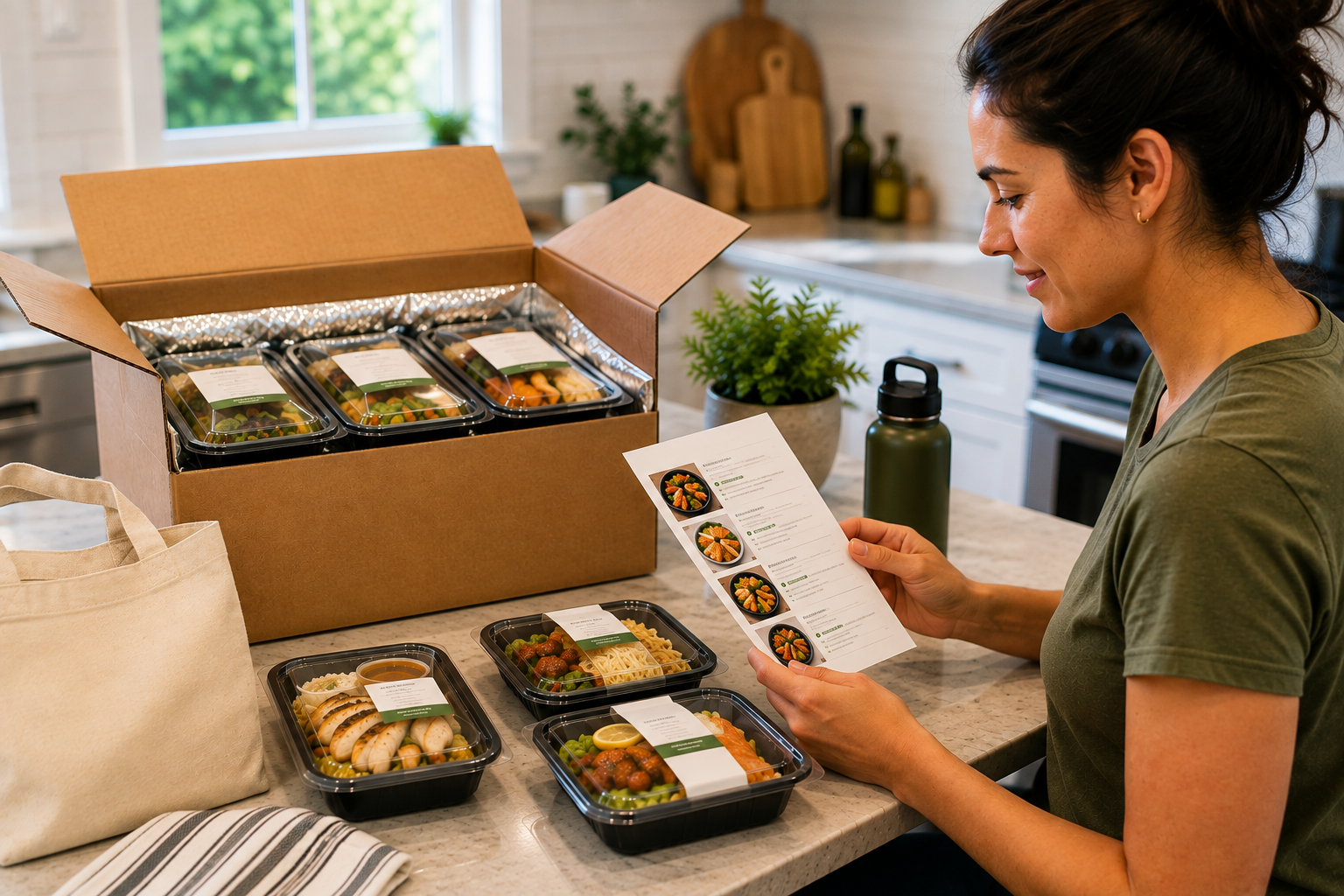
Fresh meal delivery sounds wonderfully simple: choose your meals, wait for the box, and enjoy easier breakfasts, lunches, or dinners. But with different menus, pricing structures, preparation requirements, and subscription rules, finding the right service takes a little homework.
The best choice isn’t necessarily the one with the biggest menu or lowest introductory price. It’s the service that works with your schedule, appetite, budget, and eating preferences week after week.
Start With the Convenience You Actually Need
First, decide what you want meal delivery to take off your plate—literally.
If you’re exhausted after work and don’t want to cook, fully prepared meals that primarily require reheating may be your best match. If you enjoy spending some time in the kitchen, meals requiring light preparation could offer a better balance.
Think about when you need help most:
- Hectic weeknight dinners
- Grab-and-go work lunches
- Particularly busy days
- Individual meals
- Family dinners
Solving your biggest pain point makes comparing services much easier.
Explore More Than One Week of Menus
That incredible-looking pasta dish might grab your attention, but you’ll need more than one favorite to make a recurring delivery worthwhile.
Browse multiple menus when possible and look for a healthy rotation of proteins, vegetables, plant-based dishes, cuisines, and flavor profiles.
Variety matters because even excellent meals become repetitive when you’re ordering several every week.
Check Exactly What’s in Each Meal
Good meal information should make it easy to understand what you’re ordering.
Before adding anything to your box, review available:
- Ingredient lists
- Nutrition information
- Serving details
- Dietary labels
- Allergen information
- Preparation instructions
Don’t rely entirely on the photograph or meal name. Those details provide a much clearer idea of whether a dish actually suits you.
Make Sure Dietary Options Go Beyond Labels
Vegetarian, plant-based, low-carb, gluten-free, and other filters can make browsing considerably faster.
But if you follow a specific eating pattern, check whether there are enough suitable choices every week, not merely one or two.
Food allergies and medically necessary dietary restrictions require additional care. Review complete ingredients along with the provider’s allergen and food-handling information rather than depending solely on menu filters.
Find Out What “Fresh” Actually Means
Fresh meal services don’t necessarily deliver food in exactly the same condition.
Some meals arrive chilled and ready for refrigeration, while others may be frozen or require different storage methods.
Check how meals arrive, how they should be stored, and when the provider recommends eating them. Always follow the storage, handling, and reheating instructions supplied with your delivery.
Be Realistic About Portion Sizes
A beautiful product photograph can’t tell you whether dinner will satisfy your appetite.
Check the serving information and available nutrition details before committing to a large order. If meals are individually portioned, consider whether one serving is likely to be enough or whether you’ll regularly need additional sides.
This is another reason starting small makes sense. A trial order lets your appetite—not the marketing photography—make the final decision.
Calculate the Delivered Price
The headline price per meal only tells part of the story.
Include delivery charges, minimum orders, taxes or applicable fees, premium meal surcharges, optional extras, and subscription requirements when calculating your weekly cost.
Then compare that total with your current routine.
If delivered meals replace frequent restaurant lunches or weeknight takeout, the comparison could look very different from replacing inexpensive meals you already cook at home.
Make Sure Delivery Works With Your Schedule
Convenience disappears quickly when your food arrives at an inconvenient time.
Check available delivery days, service areas, packaging practices, and what happens when nobody is home to receive the order.
Because availability can vary by location, enter your actual delivery address before assuming that advertised scheduling options apply to you.
Prioritize Subscription Flexibility
Life doesn’t follow the same schedule every week, and your meal subscription shouldn’t expect it to.
Look for convenient ways to change meal quantities, switch dishes, skip deliveries, pause your subscription, or cancel.
Most importantly, check the cutoff dates. Missing a modification deadline could mean receiving—and paying for—a box you don’t need.
Consider Preparation and Cleanup
“Convenient” means different things depending on how much work remains after opening the package.
Some prepared meals may require only a few minutes of reheating. Others involve an oven, stovetop, additional preparation, or cookware.
Read preparation instructions before ordering and choose meals that match the amount of effort you’re realistically willing to make on busy days.
Check Your Refrigerator Before Ordering
A week’s worth of meals can occupy more space than expected.
Consider the dimensions of individual packages, the number of meals you’re ordering, and whether they require refrigeration or freezing.
If your refrigerator is already packed every Sunday night, ordering a giant delivery probably won’t make your week feel easier.
Pay Attention to Packaging
Packaging protects food during transportation, but you’ll eventually need to deal with all of it.
Check whether containers, insulation, liners, and other materials can be reused or recycled. If reducing waste matters to you, compare the provider’s packaging information with recycling options available in your area.
Understand How Meal Selection Works
Do you choose every meal yourself, or does the service make selections automatically?
That distinction matters more than it initially seems.
Find out what happens when you forget to customize an upcoming order. Automatic selections may be convenient if you’re flexible, but they could create problems when you strongly dislike certain foods or have specific dietary requirements.
Also investigate whether you can swap dishes, exclude certain ingredients, apply dietary filters, or purchase useful add-ons.
Read Cancellation and Problem-Resolution Policies
Don’t wait until something goes wrong to investigate the rules.
Before subscribing, review procedures for cancellations, skipped deliveries, damaged meals, missing products, incorrect items, delivery problems, refunds, credits, and replacements.
Clear policies can make dealing with the occasional delivery problem much easier.
Start Small Before Filling Your Refrigerator
That first menu can make ordering ten meals surprisingly tempting.
Resist!
Start with enough meals to test the service without reorganizing your entire eating routine. Pay attention to taste, portion sizes, preparation, packaging, delivery reliability, and how naturally the meals fit into your week.
If everything works, increasing future orders is easy.
Find the Service That Fits Your Real Life
Choosing a fresh meal delivery service isn’t about finding a universally “best” provider. It’s about finding the best match for how you actually eat.
A fantastic introductory discount won’t matter much if you dislike the menu. Huge portions aren’t helpful if food gets wasted. And even delicious meals lose their convenience when deliveries clash with your schedule.
Compare the menu variety, ingredients, nutrition information, portions, preparation requirements, total delivered cost, storage needs, delivery options, and subscription flexibility before signing up.
Then start with a modest order and put the service through a real-world test. When the right meals show up at the right time, fit comfortably in your budget, and genuinely make your week easier, that’s when fresh meal delivery earns its place at your table.
Leave a Reply