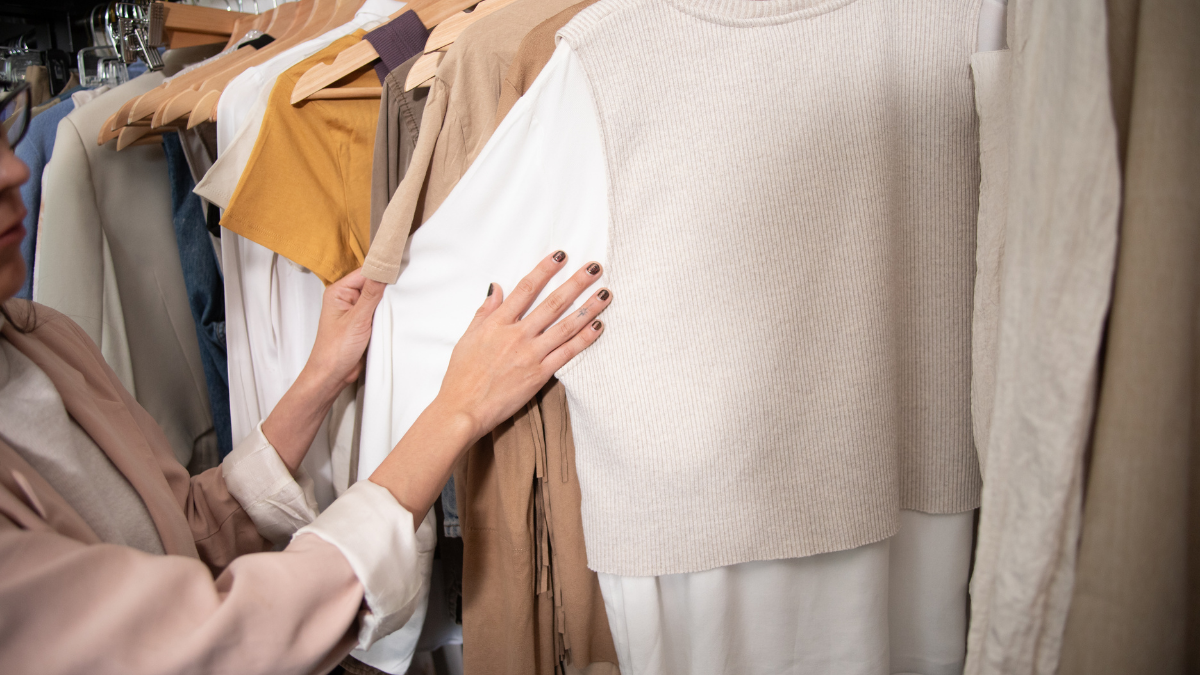
A closet packed with clothes doesn’t automatically make getting dressed easier. Sometimes, having too many pieces that don’t work together creates the exact opposite problem.
A versatile wardrobe starts with clothing you can reach for repeatedly and style in different ways. Think dependable T-shirts, comfortable jeans, easy layers, practical outerwear, and shoes that complement multiple outfits. The goal isn’t to follow a rigid checklist—it’s to create a wardrobe that works for your lifestyle, personal style, and everyday routine.
Start With the Life You Actually Dress For
Before adding another “essential” to your closet, think about where you spend your time.
Your ideal wardrobe will look different depending on whether you’re dressing for an office, working from home, attending classes, traveling frequently, or juggling a little of everything.
Consider what you regularly wear for:
- Work or school
- Weekends and errands
- Casual social plans
- Travel
- Seasonal weather
Prioritize these everyday situations before shopping for outfits you might wear once or twice.
Make Basic T-Shirts Your Starting Point
Few pieces are easier to mix and match than a well-fitting T-shirt.
Wear one with jeans for an effortless casual outfit, tuck it into trousers for a cleaner silhouette, or layer it beneath a cardigan, button-up shirt, or jacket.
Neutral and understated shades make coordination particularly easy, but you don’t need to avoid color. Choose shades that complement several bottoms and layers already in your closet.
Pay attention to neckline, sleeve length, fabric weight, and fit. A great basic is one you actually enjoy wearing—not merely one that checks a box on a wardrobe list.
Find Jeans You Can Style Again and Again
A dependable pair of jeans can anchor dozens of outfits.
Rather than chasing whichever denim silhouette happens to be trending, focus on the rise, leg shape, wash, and fit that feel comfortable and coordinate with your favorite tops and shoes.
A darker or understated wash can move easily between relaxed and slightly polished looks. Lighter denim generally creates a more casual feel.
Either way, versatility comes from choosing jeans that naturally fit into your existing wardrobe.
Add Everyday Pants Beyond Denim
Some days call for something other than jeans.
Straight-leg trousers, chinos, relaxed pants, or another uncomplicated silhouette can immediately expand your outfit possibilities.
Pair them with a T-shirt and sneakers for something casual, then switch to a button-up shirt, sweater, or more polished footwear when you want to dress things up.
Choose a shade that works with several tops rather than requiring its own dedicated outfit.
Keep a Button-Up Shirt Ready for Layering
A button-up earns its wardrobe-staple status through sheer flexibility.
Wear it traditionally with trousers, leave it open over a T-shirt, pair it with denim, or use it as a lightweight layer when the temperature changes.
Simple colors and patterns generally provide the greatest styling flexibility. Fabric matters too—a crisp material creates a different look from a soft, relaxed fabric.
Choose the version that feels most natural with your everyday clothes.
Add a Sweater You Can Layer Easily
When temperatures drop, a versatile sweater keeps your wardrobe working.
Crewnecks, V-necks, and cardigans can complement jeans, trousers, skirts, and other everyday bottoms. They can also be worn independently or layered with shirts and jackets.
Before buying one, imagine it with several pieces already hanging in your closet.
If you can immediately picture multiple outfits, you’re probably looking at a genuinely useful addition.
Keep Casual Days Covered With a Sweatshirt
Not every outfit needs to look polished.
A comfortable sweatshirt is ideal for weekends, travel, errands, and relaxed days at home. Keep the design relatively simple and you’ll have something that pairs effortlessly with denim, casual pants, shorts, and other basics.
The silhouette makes a difference. A fitted sweatshirt creates a different effect from an oversized style, so choose proportions that complement the bottoms you wear most often.
Invest in a Versatile Outer Layer
A great jacket can pull an entire outfit together.
The best choice depends on your climate and lifestyle, but the principle remains the same: choose outerwear that works with multiple outfits underneath it.
Before purchasing, imagine the jacket over your favorite T-shirt, button-up, sweater, jeans, and trousers.
If it works with all—or most—of them, you’ve found a strong wardrobe multitasker.
Create a Color Palette That Makes Dressing Easier
Your closet doesn’t need to become a sea of beige.
Instead, choose several dependable base colors that coordinate naturally, then introduce personality through colors, patterns, textures, and accessories you genuinely love.
A shared color palette means more tops work with more bottoms, layers become easier to combine, and getting dressed requires less experimentation.
Suddenly, a relatively small collection can produce plenty of outfits.
Use Layering to Multiply Your Options
Here’s where wardrobe staples really start earning their keep.
Take one simple T-shirt. You can wear it:
- Alone with jeans
- Under an open button-up
- Beneath a sweater
- With trousers and a jacket
- As a base beneath seasonal outerwear
That’s several outfits built around a single piece.
Apply the same thinking across your wardrobe and you’ll quickly discover that compatibility matters more than quantity.
Don’t Overlook Fabric, Fit, and Care
A versatile garment isn’t particularly useful if it’s uncomfortable or too complicated to maintain.
Check fabric composition and care instructions before buying. Think about breathability, stretch, texture, fabric weight, washing requirements, and whether the garment fits your normal laundry routine.
Fit deserves equal attention.
Try tops with different bottoms and jackets over your preferred layers whenever possible. Individual pieces might look fantastic separately but feel awkward when their proportions are combined.
Choose Shoes That Work Overtime
Shoes can completely change the personality of an outfit.
Rather than buying footwear for individual looks, focus on a few comfortable pairs that complement much of your wardrobe.
Your ideal selection depends on your climate, routine, and personal style. Look at the jeans, trousers, skirts, dresses, or other pieces you wear most often and choose footwear that works naturally alongside them.
Ignore “Essentials” You Never Wear
Here’s perhaps the most important wardrobe rule: you don’t need something simply because somebody calls it essential.
Never wear button-ups? Skip them.
Don’t like jeans? Build around trousers, skirts, dresses, or whatever you genuinely enjoy instead.
A wardrobe checklist should provide ideas, not dictate your closet. The most versatile garment in the world has zero value if you never reach for it.
Shop With Repeat Wear in Mind
Before buying something new, challenge yourself to create at least three outfits using clothes you already own.
Ask whether the piece works with multiple tops or bottoms, layers comfortably, suits more than one setting, coordinates with your existing shoes, and fits your normal care routine.
If you can only imagine wearing it one specific way, it may be better as an occasional statement piece than a core wardrobe staple.
Build a Closet That Works Harder, Not a Bigger One
You don’t need to rebuild your wardrobe in one shopping trip.
Start with what you already wear constantly. Then identify the gaps that repeatedly make getting dressed difficult and fill them gradually.
A handful of well-chosen T-shirts, jeans, everyday pants, layering pieces, sweaters, outerwear, and versatile shoes can create an impressive number of combinations when the colors, fits, and proportions work together.
Ultimately, the best wardrobe essentials aren’t determined by trends or universal checklists. They’re the clothes that fit comfortably, complement your lifestyle, coordinate effortlessly, and make you feel good enough to wear them again and again.
Leave a Reply