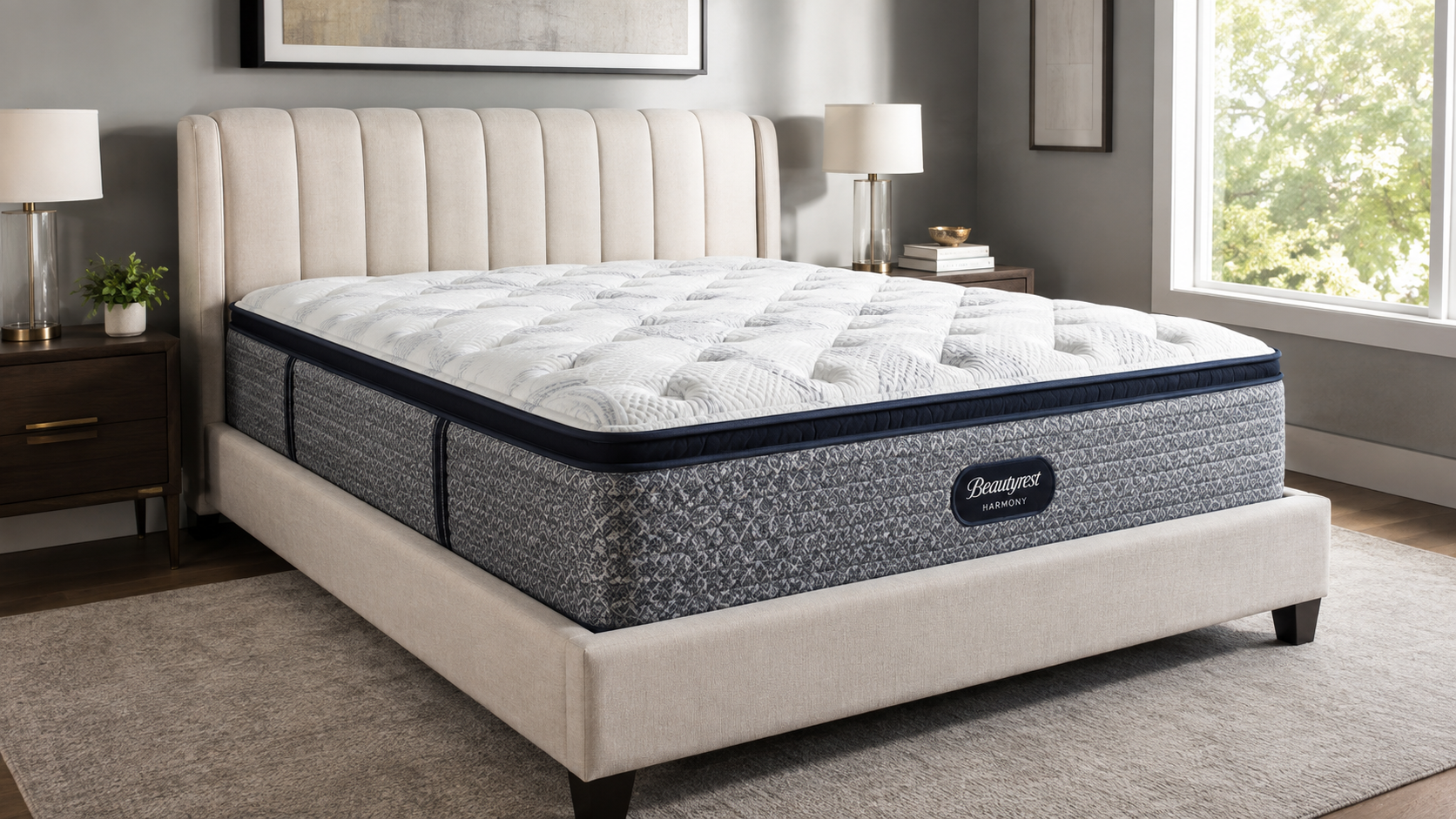
Choosing High-Quality Mattresses can affect sleep comfort, body support, and how well a bed holds up over time.
Mattress construction, firmness, materials, cooling features, and sleeping position can all influence how comfortable a mattress feels.
A quality mattress does not need to have the highest price tag. Many mattresses use dependable foam, supportive coils, latex, or hybrid construction at different price points.
Knowing which features matter can help you compare beds without paying for extras that may not benefit your sleeping habits.
What Makes High-Quality Mattresses Worth Buying?
High-Quality Mattresses commonly use materials designed to maintain consistent support across the sleeping surface.
Stronger foams, durable coil systems, reinforced edges, breathable covers, and dependable construction can help mattresses keep their shape during regular use.
Key qualities to check include:
- Consistent spinal support
- Comfortable pressure relief
- Durable mattress materials
- Strong edge support
- Temperature control
- Limited motion transfer
- Suitable firmness
- Reliable warranty coverage
The ideal features depend heavily on your preferred sleeping position and comfort preferences.
Common Types of High-Quality Mattresses
Mattresses generally fall into several main construction categories.
| Mattress Type | Typical Feel | Good For | Approximate Price Range |
|---|---|---|---|
| Memory Foam | Contouring and cushioned | Side sleepers and couples | $500–$2,000+ |
| Innerspring | Responsive and supportive | Back sleepers and people who prefer bounce | $400–$1,800+ |
| Hybrid | Foam paired with coils | Balanced pressure relief and support | $700–$3,000+ |
| Latex | Responsive with firm support | Sleepers seeking durable materials | $900–$3,500+ |
| Adjustable Air | Customizable firmness | Couples with different comfort preferences | $1,500–$5,000+ |
Prices vary according to mattress size, brand, materials, certifications, and added features.
Memory Foam Mattresses
Memory foam molds around the body and distributes pressure across the mattress surface. It can be especially comfortable around areas such as the shoulders and hips.
Foam mattresses may also reduce movement across the bed, making them suitable for couples.
Some memory foam beds retain heat, so shoppers who sleep warm may want breathable covers, perforated foam, or cooling layers.
Hybrid Mattresses
Hybrid mattresses combine foam comfort layers with individually wrapped coils or another spring system.
This design can provide cushioning without creating an excessively sinking feeling.
Coils may improve airflow while supplying added support beneath heavier areas of the body.
A quality hybrid mattress can suit side, back, and combination sleepers depending on its firmness.
Latex Mattresses
Latex mattresses provide responsive cushioning with less sinking than traditional memory foam.
Natural latex is commonly associated with durability and responsiveness. Latex beds can feel firmer than some foam models, making personal preference especially important before buying.
Prices commonly sit toward the upper end of the mattress market due to material and manufacturing costs.
Innerspring Mattresses
Innerspring mattresses use metal coils as their main support system.
Modern versions may include foam or padded comfort layers above the coils. They generally feel responsive and may allow better airflow compared with dense all-foam beds.
Quality depends heavily on coil construction, padding, edge reinforcement, and overall mattress design.
How Firm Should Your Mattress Be?
Mattress firmness is normally rated from 1 to 10, with lower numbers feeling softer and higher numbers feeling firmer.
A general firmness guide looks like this:
- Soft: 3–4 — commonly preferred by lightweight side sleepers.
- Medium-soft: 4–5 — cushioning with mild support.
- Medium: 5–6 — suitable for many sleeping styles.
- Medium-firm: 6–7 — popular with back and combination sleepers.
- Firm: 7–9 — may suit stomach sleepers or people seeking stronger support.
Body weight can change how firmness feels. A mattress that feels firm to one sleeper may feel considerably softer to another.
High-Quality Mattresses for Side Sleepers
Side sleepers usually benefit from cushioning around the shoulders and hips.
Memory foam and softer hybrid mattresses may provide pressure relief while keeping the body supported.
Medium or medium-soft beds are common choices, though body weight and personal comfort preferences remain important.
High-Quality Mattresses for Back Sleepers
Back sleepers often need enough support to prevent excessive sinking around the hips.
Medium to medium-firm mattresses may provide a comfortable balance between cushioning and support.
Hybrid, latex, foam, and innerspring models can all work well when designed with dependable lumbar support.
High-Quality Mattresses for Stomach Sleepers
Stomach sleepers generally require firmer support around the middle section of the body.
Excessively soft mattresses can allow the hips to sink further into the bed. Medium-firm or firm mattresses may provide better alignment for many stomach sleepers.
Mattress Materials to Check
Material quality can influence comfort and lifespan.
High-Density Foam
Higher-density support foams may maintain their structure longer than very low-density alternatives.
Foam density should not be confused with firmness. Dense foam can still feel soft depending on how the mattress is constructed.
Individually Wrapped Coils
Pocketed coils move independently, which may reduce motion transfer compared with traditional interconnected spring systems.
They can also provide targeted support throughout the mattress.
Latex
Latex provides responsive cushioning and may retain its shape well across extended use.
Natural, synthetic, and combined latex materials are available.
Breathable Covers
Mattress covers made with breathable fabrics can help reduce heat buildup.
How Much Should You Pay for a Quality Mattress?
Mattress prices vary widely.
A basic queen mattress might cost roughly $400 to $800, while many mid-range models fall between $800 and $1,800. Premium hybrid, latex, adjustable, and specialty mattresses may cost $2,000 to $5,000 or higher.
Paying a higher price does not automatically mean better sleep. Construction quality, comfort, durability, return policies, and suitability for your sleeping style carry greater importance than branding alone.
Mattress Trial Periods
Online mattress companies frequently provide sleep trials.
Trial periods can range from around 90 nights to a full year depending on the seller.
Read the return terms carefully because some brands require customers to keep the mattress for a minimum period before requesting a return.
Pickup fees, processing fees, or other conditions may apply.
Mattress Warranty Coverage
Many quality mattresses include warranties lasting around 10 years, while some companies provide longer coverage.
Warranty terms can differ significantly.
Check which issues qualify for coverage, including:
- Excessive sagging
- Manufacturing defects
- Broken coils
- Foam defects
- Cover defects
Normal softening, stains, accidental damage, or an unsupported bed frame may not qualify.
Edge Support Matters
Edge support refers to how stable the mattress feels near its outer perimeter.
Strong edges can make getting into and out of bed easier. They may also allow couples to use a larger portion of the mattress surface comfortably.
Hybrid and innerspring mattresses commonly use reinforced perimeter systems for this purpose.
Motion Isolation for Couples
Motion isolation describes how effectively a mattress limits movement from traveling across the sleeping surface.
Memory foam usually performs well in this category because foam absorbs movement.
Pocketed-coil hybrids may also provide effective motion control since each coil responds independently.
Cooling Features for Hot Sleepers
People who regularly sleep warm may benefit from mattresses designed to improve airflow and heat release.
Features may include:
- Breathable covers
- Open-cell foam
- Perforated latex
- Pocketed coil systems
- Phase-change materials
- Cooling fibers
Cooling performance varies by mattress design, room temperature, bedding, and personal sleep habits.
These terms connect closely with shoppers comparing mattress materials, comfort, construction, and long-term value.
Questions to Ask Before Buying a Mattress
What sleeping position do you use most often?
Sleeping position can help narrow down firmness and construction choices.
Do you usually sleep hot?
Look for breathable foams, latex, coil systems, and temperature-control materials.
Do you share your bed?
Motion isolation and edge support may become especially important.
How firm do you prefer your mattress?
Use firmness ratings as a starting reference rather than an absolute measurement.
What does the trial policy cover?
Check minimum trial periods, return fees, pickup requirements, and refund conditions.
What does the warranty cover?
Read the complete warranty terms before purchasing.
Finding the Right High-Quality Mattress
High-Quality Mattresses come in foam, hybrid, latex, innerspring, and adjustable designs across many price ranges.
The strongest choice depends on your sleeping position, body weight, firmness preference, temperature needs, and budget.
Compare construction details instead of relying entirely on marketing terms. Check the mattress materials, firmness, edge support, trial period, warranty, and return policy before purchasing.
Leave a Reply