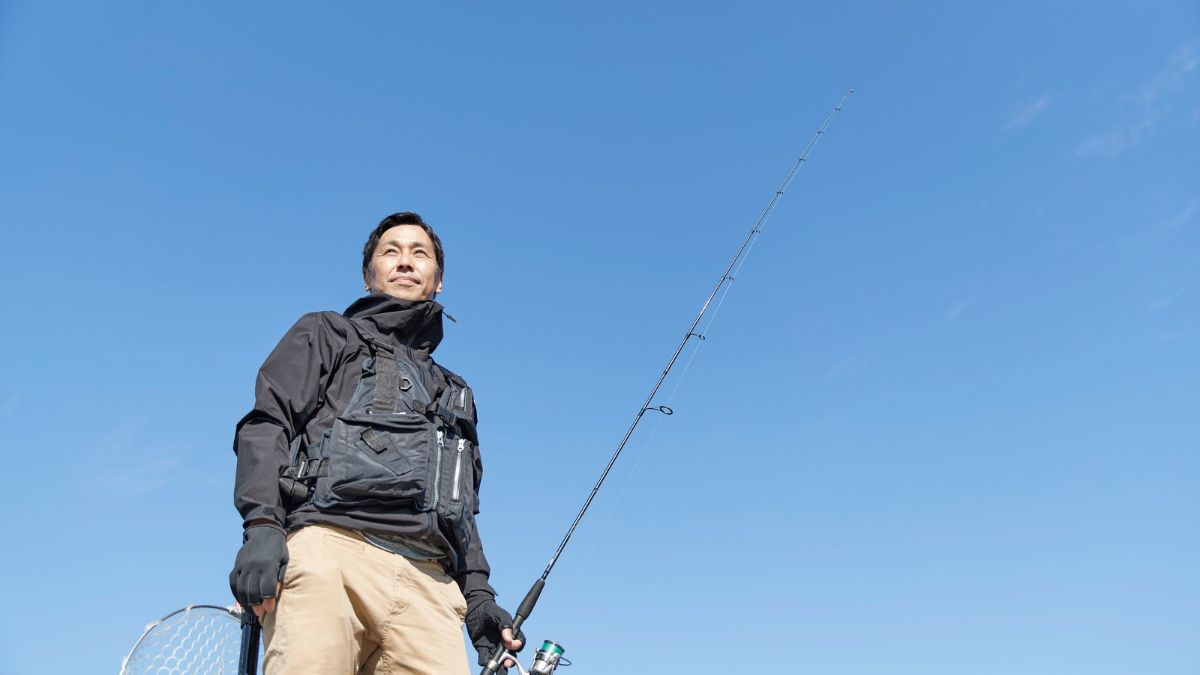
Your first fishing trip does not require a tackle box full of specialized equipment. A rod and reel suited to the water, a few basic supplies, and clothing that keeps you comfortable are enough to get started. The best setup depends on where you plan to fish and what species you hope to catch, so choose a location before you shop.
This guide focuses on a simple freshwater outing from a shore or dock. If you plan to fish from a boat, wade, or visit saltwater, check the additional gear and safety requirements for that setting.
Start With a Rod, Reel, and Line
A preassembled spinning rod and reel combo can simplify your first purchase because its components are paired for general use. At a tackle shop, tell the staff which water and species you have in mind. They can help you choose a suitable rod length, power, and line without asking you to learn every specification at once.
Some combos arrive with line already on the reel. If yours does not, monofilament is a manageable starting option for many freshwater situations. Match the line strength to the rod and reel recommendations and your target fish. You can explore braid or fluorocarbon later if a particular technique calls for them. Practice casting in an open area before your trip so you feel more comfortable near the water.
Keep Your Tackle Box Small
For a basic bait setup, pack hooks in sizes appropriate for your target species, a few weights, and floats. A float helps you see when a fish takes the bait and keeps the bait at a chosen depth. A small assortment of jigs, spinners, or soft plastic lures gives you another way to fish if you prefer artificial options. Ask a local tackle shop what is useful in the water you will visit.
Bring only the tackle you expect to use, with a few spare hooks and weights. A compact box keeps sharp items contained and makes it easier to find what you need. Check whether your chosen bait, hooks, or methods are permitted at that location before heading out.
Pack Tools That Solve Common Problems
Pliers or a hook remover help you remove a hook while keeping your fingers clear. A line cutter makes it easier to change tackle cleanly. A landing net can help you bring a fish in without lifting it by the line, especially when the fish is larger than expected.
Pack a small measuring tool if local rules set size limits. If you plan to release fish, wet your hands before handling them, work promptly, and follow local guidance for the species. A small first-aid kit is useful for minor cuts and scrapes. Keep hooks covered and store loose line to take home rather than leaving it near the water.
Dress for the Entire Outing
Check the forecast, then choose shoes with secure footing for a damp bank or dock. A hat, sunglasses, and sunscreen can help with sun exposure; polarized lenses also reduce glare on the water. Bring a light layer or rain jacket if the weather may change.
Carry drinking water, a snack for a longer trip, and insect repellent when conditions call for it. A waterproof pouch or dry bag helps protect your phone, keys, and wallet. If you will be out near dawn or dusk, add a flashlight or headlamp.
If you fish from a boat, wear an appropriately fitted life jacket and review the boating rules for your location. Wherever you fish, tell someone where you are going and when you expect to return, particularly if the area is remote.
Check the Rules Before You Cast
Fishing licenses, seasons, catch limits, size limits, and allowed methods can vary by location and species. Check the current rules from the relevant fish and wildlife authority, along with any posted rules for the specific park, reservoir, or pier. Confirm whether you need a license and carry it as required.
For your first trip, choose an accessible spot and a target species that local anglers commonly catch. Prepare your rod and tackle, pack for the weather, and give yourself time to learn. Afterward, note what you used and what you wished you had brought. That experience will guide your next purchase more reliably than buying extra gear before you begin.
Leave a Reply