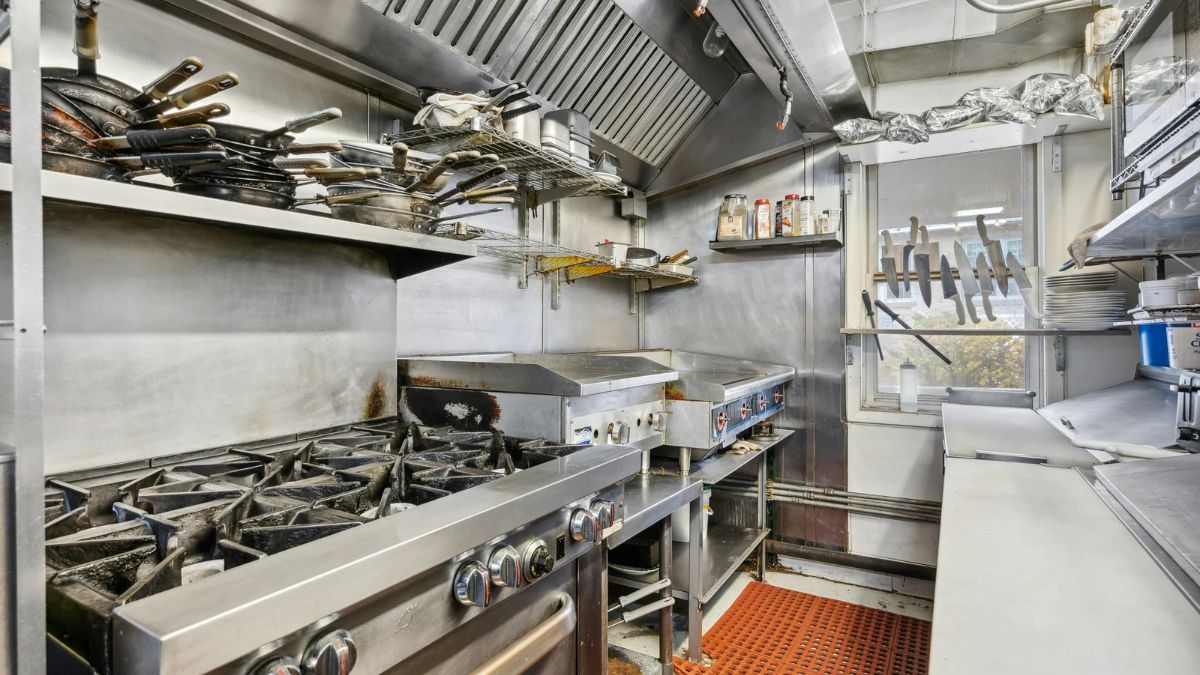
When service gets busy, your team should be able to find a clean pan or the right ingredient without searching three shelves. An organized kitchen saves steps, makes inventory easier to see, and helps staff follow safe storage practices. The best system is one your team can maintain through deliveries, prep, and the dinner rush.
Start by walking through your kitchen at a busy time. Notice where people cross paths, which items run out, and where supplies tend to pile up. Those observations will tell you more than a storage plan drawn without seeing the work.
Give Every Category a Clear Home
Separate dry goods, refrigerated and frozen food, smallwares, disposables, and cleaning supplies into designated areas. Put frequently used ingredients near the station where they are prepared, while leaving enough space for staff to move and work. Reserve less convenient shelves for products used occasionally.
Keep chemicals and cleaning equipment away from food, utensils, and food-contact supplies in accordance with applicable rules. Label their storage area so a rushed employee does not place a sanitizer bottle beside an ingredient container. The zones should be easy for a new team member to understand.
Match Shelving and Containers to the Space
Choose shelving for its intended environment and load. A walk-in cooler, dry storeroom, and dish area place different demands on materials. Adjustable shelves let you fit products of varying heights, while open designs can make inventory easier to see. Check that shelving is stable, cleanable, and positioned to meet local clearance and access requirements.
Use food-safe containers suited to their contents and storage temperature. Clear, lidded containers can make quantities visible and help protect ingredients, but shape and size matter too. A container much larger than its usual contents wastes shelf space. Keep heavy products at heights where staff can lift them without awkward reaching, and avoid stacking beyond a container’s intended use.
Label, Date, and Rotate Stock
Labels should tell staff what is inside a container without opening it. Add preparation or opening dates where required by your food-safety procedures and local rules. Place the label where it remains visible after the container is stacked or put on a shelf. fda.gov
Organize deliveries so suitable older stock is used before newer stock, while following each product’s expiration and safety requirements. A first-in, first-out habit only works when staff can reach the older items. Leave room to move new deliveries behind or beside existing stock rather than crowding everything into one spot.
During routine checks, remove products that should no longer be used and note ingredients that are close to their required use date. A consistent system can reduce avoidable waste and reveal purchasing patterns.
Keep Cold Storage Easy to Inspect
Group similar products in refrigerators and freezers, but organize them around food safety as well as convenience. Keep raw foods from contaminating ready-to-eat items, use suitable covered containers, and follow your jurisdiction’s required storage order and temperature rules. Do not pack equipment so tightly that airflow or access suffers.
Assign someone to check temperatures and document them under your operation’s procedures. If a cooler is not holding its required temperature, staff need a clear process for evaluating the food and reporting the equipment problem. Make the log useful by reviewing it, not merely filling it in.
Put Tools Where the Work Happens
Store sheet pans near the baking or oven station, measuring tools near prep, and frequently used utensils within convenient reach. Wall racks, hooks, and bins can free counter space when installed and used safely. Keep work surfaces clear enough for preparation and cleaning.
Keep disposables near their point of use, with overflow stock in a labeled location.
Make Organization a Daily Habit
Schedule quick checks during opening, closing, and inventory counts. Look for damaged packaging, spills, blocked aisles, misplaced chemicals, and products that are running low. Give each shift a clear responsibility for returning tools and supplies to their assigned spots.
Review the layout when your menu, equipment, or order volume changes. If the same shelf repeatedly becomes cluttered, the problem may be its location or capacity rather than staff effort. Start with one troublesome area this week, give it a clear layout, and ask the team whether it makes service easier.
Keep the System Working
Review the layout when your menu, equipment, or order volume changes. If the same shelf repeatedly becomes cluttered, its location or capacity may need attention.
Start with one troublesome area this week, give it a clear layout, and ask the team whether the change makes service easier. Small adjustments made consistently can keep your kitchen organized long after the initial cleanup.
Leave a Reply