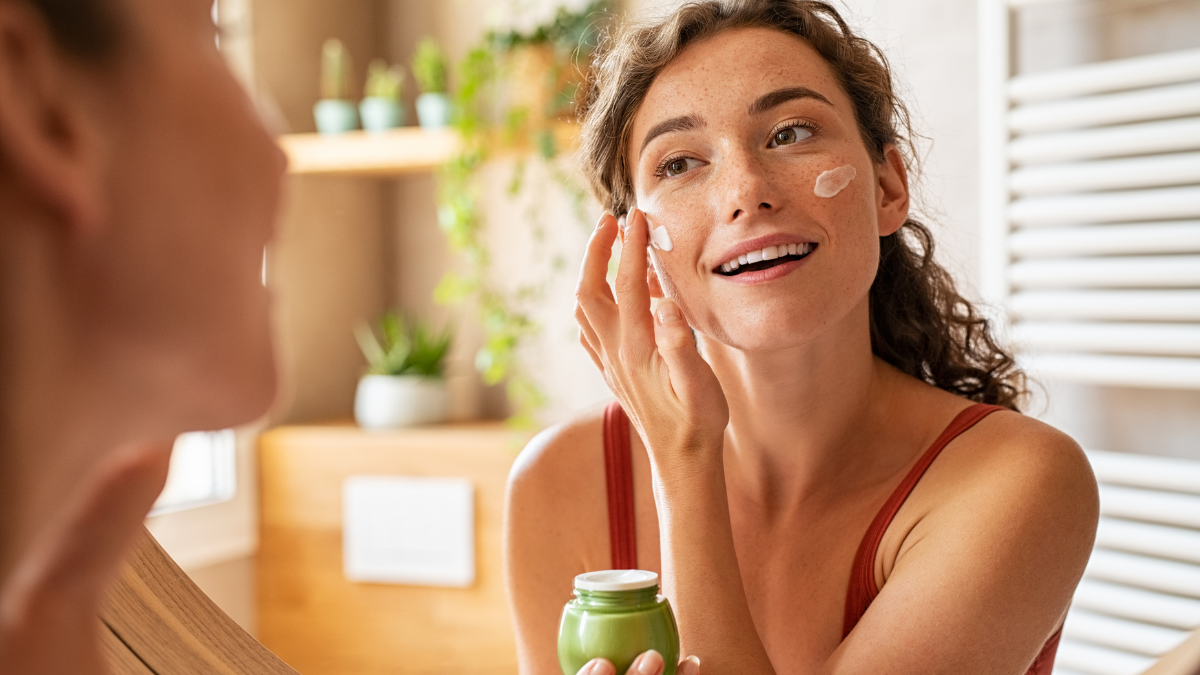
An anti-aging skincare routine can help you care for your skin as it changes over time. Fine lines, uneven tone, dryness, rough texture, and loss of firmness are common concerns that may become more noticeable with age.
While skincare cannot stop the natural aging process, a consistent routine may help maintain hydration, protect your skin from environmental stressors, and improve its overall appearance.
You do not need an overflowing bathroom cabinet to get started. A practical routine usually focuses on cleansing, moisturizing, sun protection, and carefully selected active ingredients.
What Should an Anti-Aging Skincare Routine Include?
A well-rounded anti-aging skincare routine generally includes a gentle cleanser, antioxidant or targeted serum, moisturizer, sunscreen, and optional nighttime treatments such as retinoids.
| Step | Morning | Evening | Main Purpose |
|---|---|---|---|
| Cleanser | Yes | Yes | Removes oil, dirt, and buildup |
| Vitamin C serum | Optional | — | Provides antioxidant support |
| Moisturizer | Yes | Yes | Supports hydration and skin barrier |
| Sunscreen | Yes | — | Helps protect against UV exposure |
| Retinoid | — | Optional | May improve fine lines and texture |
| Eye cream | Optional | Optional | Adds targeted hydration |
Step 1: Start With a Gentle Cleanser
Cleansing removes excess oil, sweat, pollution, makeup, and sunscreen from your skin. Choose a gentle formula that cleans effectively without leaving your face feeling tight or excessively dry.
If you have dry or sensitive skin, a creamy or hydrating cleanser may work well. Oily or combination skin may benefit from a lightweight gel cleanser.
Avoid aggressive scrubbing. Irritation can make dryness and uneven texture appear more noticeable.
Step 2: Add an Antioxidant Serum in the Morning
Vitamin C is one of the most commonly used ingredients in mature skin care. As an antioxidant, it may help protect the skin from environmental stress while supporting a brighter and more even-looking complexion.
Apply your serum after cleansing and before moisturizer. If you have sensitive skin, consider starting with a lower concentration and gradually increasing use as tolerated.
Other antioxidant ingredients found in skincare products include vitamin E, ferulic acid, and niacinamide.
Step 3: Keep Your Skin Properly Moisturized
Hydration plays an important role in maintaining smoother-looking skin. As skin becomes dry, fine lines may appear more noticeable.
Look for moisturizers containing ingredients such as:
- Hyaluronic acid to attract and retain moisture
- Ceramides to support the skin barrier
- Glycerin to help maintain hydration
- Peptides for additional skin-conditioning benefits
- Squalane to soften and moisturize the skin
Your moisturizer does not necessarily need to be marketed specifically as an anti-aging product. A simple formula that keeps your skin comfortable and hydrated can be a valuable part of your routine.
Step 4: Make Sunscreen a Daily Priority
Daily sun protection is one of the most important components of an anti-aging routine. Repeated exposure to ultraviolet radiation may contribute to wrinkles, pigmentation changes, and other visible signs of premature skin aging.
Use a broad-spectrum sunscreen with SPF 30 or higher as the final step of your morning skincare routine. Apply it to your face, neck, ears, and other exposed areas.
Step 5: Consider Retinoids for Your Nighttime Routine
Retinoids are vitamin A derivatives commonly used in skincare routines targeting fine lines, uneven texture, and other visible signs of aging.
Over-the-counter products often contain retinol, while stronger retinoids may require a prescription depending on the formulation and location.
Retinoids may initially cause dryness, peeling, or irritation. You might begin with one or two nights per week before gradually increasing frequency if your skin tolerates the product.
Using a moisturizer alongside a retinoid may also help reduce dryness.
Pregnant people or those trying to become pregnant should consult a qualified healthcare professional before using retinoid products.
Step 6: Use Eye Cream If You Need Extra Hydration
Eye cream is optional rather than an essential anti-aging step. A regular moisturizer may provide enough hydration for some people.
If the skin around your eyes feels particularly dry, an eye cream containing peptides, hyaluronic acid, ceramides, or caffeine may provide additional targeted care.
Apply products gently because the skin around your eyes can be delicate.
A Simple Morning Anti-Aging Skincare Routine
You can keep your morning routine straightforward:
- Gentle cleanser
- Vitamin C or antioxidant serum
- Moisturizer
- Broad-spectrum SPF 30+ sunscreen
If you use several products, apply lighter formulas before thicker creams whenever practical.
A Simple Nighttime Anti-Aging Skincare Routine
Your evening routine may look like this:
- Cleanser
- Retinol or another targeted treatment
- Hydrating serum, if needed
- Moisturizer
- Eye cream, if desired
You do not need to introduce every active ingredient at once. Adding products gradually makes it easier to determine how your skin responds.
Which Anti-Aging Ingredients Should You Look For?
Different ingredients address different skincare concerns.
| Ingredient | Potential Benefit | When Commonly Used |
| Retinol | May improve fine lines and texture | Evening |
| Vitamin C | Antioxidant support and brighter appearance | Morning |
| Hyaluronic acid | Helps maintain hydration | Morning or evening |
| Niacinamide | May support the skin barrier and even-looking tone | Morning or evening |
| Ceramides | Help support the skin barrier | Morning or evening |
| Peptides | May support smoother-looking skin | Morning or evening |
You do not need every ingredient in the table. Selecting a few products that address your main concerns may make your routine easier to maintain.
How Often Should You Exfoliate Aging Skin?
Exfoliation can remove dead surface skin cells and may help improve the appearance of dullness and rough texture. However, frequent exfoliation may cause irritation.
Depending on your skin and the product, exfoliating once or twice weekly may be enough. Chemical exfoliants containing alpha hydroxy acids (AHAs) or beta hydroxy acids (BHAs) are common options.
Be particularly cautious about combining exfoliating acids with retinoids, especially when you are new to either ingredient.
Common Anti-Aging Skincare Mistakes to Avoid
Using Too Many Active Ingredients
Combining several strong treatments can increase dryness and irritation. Introduce new products gradually rather than changing your entire routine overnight.
Skipping Sunscreen
Expensive serums cannot replace daily UV protection. Sunscreen remains an important foundation of a routine focused on preventing premature visible skin aging.
Expecting Immediate Changes
Skincare results generally take time. Some improvements in hydration may appear relatively quickly, while changes in texture or fine lines may require consistent use over several weeks or months.
Ignoring Your Neck
Your neck and upper chest are also exposed to environmental factors. When appropriate, extend moisturizer and sunscreen beyond your face.
Choosing Products Based Only on Price
Higher prices do not automatically mean better results. Ingredients, formulation, suitability for your skin, and consistent use may matter more than luxury packaging.
Can You Build an Anti-Aging Routine on a Budget?
Yes. An effective routine does not necessarily require expensive products.
Prioritize your budget around the basics: a gentle cleanser, dependable moisturizer, broad-spectrum sunscreen, and one targeted treatment if desired. Additional serums, masks, eye creams, and specialized products can be considered later.
When Should You Start an Anti-Aging Skincare Routine?
There is no universal age when you must begin using products labeled “anti-aging.” Daily sunscreen, gentle cleansing, and adequate moisturizing can support skin health at many ages.
As concerns such as fine lines, uneven pigmentation, or changes in texture develop, you may gradually introduce targeted ingredients based on your needs.
How Long Does an Anti-Aging Skincare Routine Take to Work?
The timeline depends on your skin, ingredients, product formulation, and consistency. Moisturizers may make skin feel softer relatively quickly, while products targeting fine lines, pigmentation, or texture may require considerably more time.
Taking periodic photos under similar lighting can help you evaluate subtle changes more objectively.
Building an Anti-Aging Skincare Routine You Can Maintain
A successful anti-aging skincare routine does not need to be complicated. Start with gentle cleansing, regular moisturizing, and daily broad-spectrum sunscreen.
From there, you can consider ingredients such as vitamin C, retinol, hyaluronic acid, niacinamide, or peptides according to your skin concerns.
Pay attention to how your skin responds, introduce active ingredients gradually, and avoid assuming that more products will automatically deliver better results.
If you experience persistent irritation or have specific skin conditions or concerns, a dermatologist can help you choose an appropriate approach.
Leave a Reply