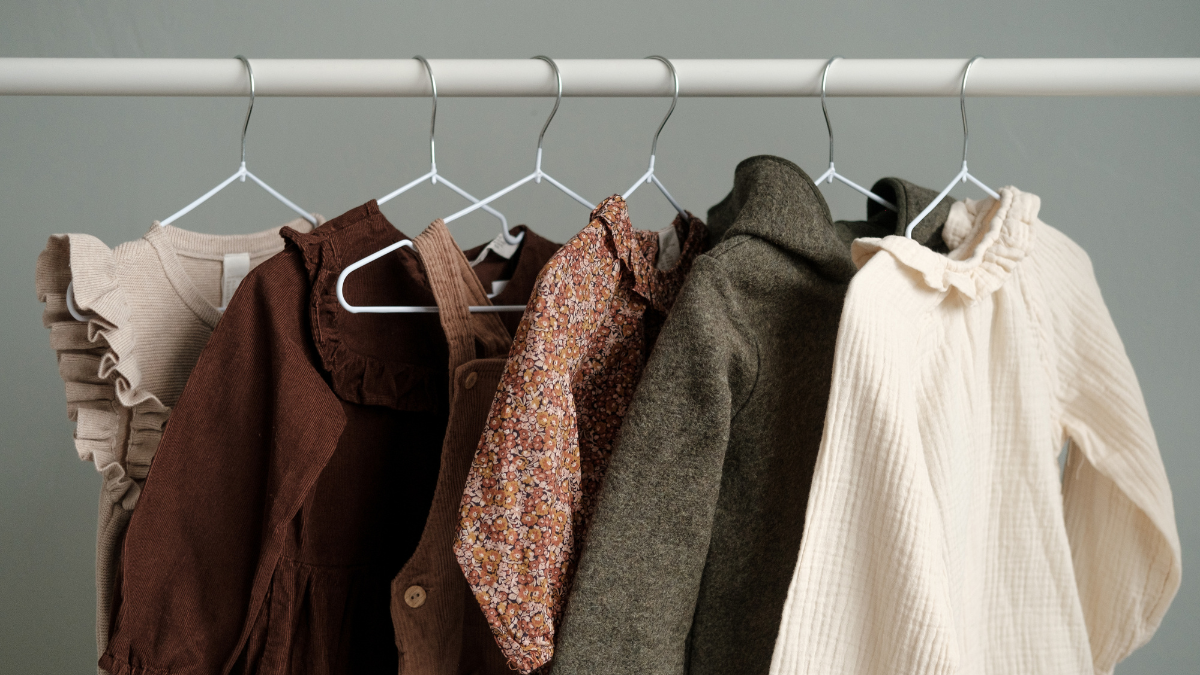
Finding affordable clothing can help you refresh your wardrobe without putting too much pressure on your budget.
Many retailers now carry stylish basics, workwear, activewear, seasonal pieces, and everyday outfits at accessible prices.
You can often find shirts for around $8–$25, jeans near $20–$50, dresses around $15–$45, and jackets starting near $25, depending on the retailer, materials, and current promotions.
The key is paying attention to fabric, fit, construction, and how often you expect to wear each item.
A low price can be attractive, yet an item that lasts through repeated use may provide better value than clothing that quickly loses its shape.
What Is Affordable Clothing?
Affordable clothing generally refers to apparel sold at prices that fit everyday household budgets.
The exact amount depends on your income, shopping habits, location, and the type of clothing you need.
For example, a $30 pair of jeans may feel affordable compared with designer denim priced above $150.
A basic $10 T-shirt could work well for casual use, while a $35 button-down shirt may suit work or special occasions.
Common affordable clothing categories include:
- Basic T-shirts and tank tops
- Jeans and casual pants
- Shorts and skirts
- Dresses
- Hoodies and sweatshirts
- Activewear
- Work clothing
- Jackets and coats
- Sleepwear
- Kids’ clothing
Affordable apparel can come from department stores, outlet shops, online retailers, clearance sections, thrift stores, and seasonal sales.
Typical Affordable Clothing Prices
Prices vary by store and brand, but the following ranges can give you a general idea of what budget-friendly clothing may cost.
| Clothing Type | Typical Budget Price |
|---|---|
| Basic T-shirt | $8–$20 |
| Tank top | $6–$18 |
| Casual shirt | $12–$30 |
| Jeans | $20–$50 |
| Leggings | $10–$30 |
| Shorts | $12–$35 |
| Casual dress | $15–$45 |
| Hoodie | $20–$45 |
| Sweater | $20–$50 |
| Light jacket | $25–$60 |
| Activewear top | $12–$35 |
| Pajama set | $15–$40 |
These figures are general estimates. Sale events, clearance pricing, coupons, loyalty rewards, and seasonal markdowns may reduce the final cost.
How Can You Find Good Affordable Clothing?
Low prices can catch your attention quickly, but checking a few details before buying may help you get better value.
Check the Fabric
Look at the material label before purchasing. Cotton, denim, wool, linen, polyester, rayon, and fabric combinations each behave differently after repeated washing and use.
Cotton can feel soft and breathable, while polyester may resist wrinkles and dry quickly.
Denim thickness can affect durability, and knit fabrics with added elastane may provide extra stretch.
Look at the Stitching
Inspect seams, hems, buttons, and zippers when shopping in person. Loose threads or uneven stitching may signal that the item could wear out sooner.
For online purchases, customer photos and product reviews can help you judge construction and fit before ordering.
Think About Cost Per Wear
A $40 jacket worn 80 times costs about $0.50 per use. A $15 shirt worn three times costs $5 per use.
This simple calculation can help you decide which affordable clothing purchases deserve space in your wardrobe.
Build Your Wardrobe Around Basic Pieces
Basic clothing can make budget shopping easier because one item may work with several outfits.
A practical wardrobe might include plain T-shirts, neutral pants, jeans, a casual jacket, comfortable shoes, and a few shirts suitable for work or social events.
You can then add seasonal pieces or trend-focused clothing without replacing your entire wardrobe.
Choosing items that work together can also reduce unnecessary purchases.
Affordable Clothing for Work
Work clothes do not always require expensive labels. Many retailers sell business-casual pieces at accessible prices.
Common budget ranges include:
- Button-down shirts: $15–$35
- Blouses: $15–$40
- Chinos: $20–$45
- Dress pants: $25–$55
- Cardigans: $20–$45
- Blazers: $35–$80
Look for pieces that can work across several outfits. A simple blazer, for example, can pair with trousers, skirts, dresses, or dark jeans if your workplace allows casual attire.
Affordable Casual Clothing
Casual wear is one of the easiest areas to shop on a budget. T-shirts, hoodies, jeans, joggers, shorts, and lightweight jackets are available across many price levels.
You may find basic T-shirts under $15 during sales, while hoodies and joggers frequently fall between $20 and $45. Buying neutral shades can make outfit planning easier because they pair with many items already in your closet.
Affordable Activewear
Gym and workout clothing can become expensive, especially when shopping premium fitness labels. Budget retailers often carry leggings, shorts, sports tops, and lightweight jackets at lower prices.
Typical prices may include:
- Workout shirts: $10–$30
- Leggings: $15–$35
- Athletic shorts: $12–$30
- Sports bras: $12–$35
- Lightweight training jackets: $25–$55
Pay attention to stretch, seams, waistband support, and fabric thickness before purchasing.
Shop During Seasonal Sales
Timing can have a major effect on clothing prices. Retailers frequently discount items as seasons change.
Winter coats may receive markdowns near the end of winter, while swimwear and shorts may be discounted toward the end of summer. Holiday promotions and clearance events can also reduce prices.
If you do not need an item immediately, waiting for a sale might help lower your total spending.
Use Coupons and Loyalty Rewards Carefully
Coupons, store rewards, promotional codes, and cashback programs may help reduce clothing costs. However, a discount does not automatically make an item worth buying.
A $50 item discounted to $35 still costs $35. Ask yourself if you would have wanted the item without the promotional message.
This small habit can help prevent impulse purchases.
Compare Prices Before Buying
Price comparison can be useful, especially for common clothing categories such as jeans, jackets, school uniforms, and activewear.
Check several retailers and compare:
- Regular price
- Sale price
- Shipping cost
- Return policy
- Material
- Customer ratings
- Available sizes
- Care requirements
A slightly higher initial price may still provide better value if the item lasts longer or comes with easier returns.
Do Not Ignore Clearance Sections
Clearance racks can be useful for affordable clothing, especially when stores are changing seasonal inventory.
You might find shirts originally priced at $30 marked down to $12 or jackets reduced from $70 to $35.
Sizes and styles may be limited, so it helps to focus on pieces you genuinely plan to wear.
Online clearance sections can be useful too. Check return rules before purchasing, since some clearance items may be final sale.
Secondhand Clothing Can Stretch Your Budget
Thrift stores, resale shops, and secondhand marketplaces can provide another way to reduce clothing expenses.
Used clothing prices may range from a few dollars for basic shirts to $20–$50 for quality jackets or branded pieces.
Condition can vary significantly, so inspect stains, seams, zippers, buttons, and fabric wear before buying.
Secondhand shopping may be especially useful for coats, denim, formalwear, children’s clothing, and items worn only occasionally.
How Much Should You Spend on Clothing?
There is no single clothing budget that works for everyone. Your spending level depends on income, household expenses, job requirements, climate, lifestyle, and existing wardrobe.
Creating a monthly or seasonal clothing budget can help you control spending.
For example, setting aside $50 each month gives you $600 across one year for clothing purchases.
You do not have to spend the full amount each month. Saving part of the budget can help cover higher-cost seasonal items such as winter coats, work shoes, or formal clothing.
Affordable Clothing vs. Cheap Clothing
Affordable clothing and cheap clothing can mean different things.
Affordable clothing focuses on reasonable pricing while still providing acceptable fit, construction, and usability. Cheap clothing may refer mainly to the lowest possible purchase price.
An inexpensive item can still be a good purchase if it fits well and holds up after repeated use. The goal is to find a balance between price and expected lifespan.
Frequently Asked Questions About Affordable Clothing
Is affordable clothing worth buying?
It may be, especially when the fabric, stitching, fit, and price suit your needs. Checking quality before purchasing can help you avoid replacing items too quickly.
How can you make inexpensive clothing last longer?
Follow the care label, avoid excessive heat during washing and drying, store clothing properly, and repair small issues such as loose buttons before they become bigger problems.
When is the best time to buy clothes on sale?
End-of-season clearance events, major holiday promotions, and retailer anniversary sales may have lower prices. Inventory and discounts vary by store.
Is buying clothing online cheaper?
Sometimes. Online retailers may have lower prices or exclusive discounts, but shipping fees and return costs can affect the final amount.
How can you avoid overspending on clothes?
Create a shopping list, set a spending limit, compare prices, and avoid purchasing items solely because they are discounted.
Make Affordable Clothing Work for Your Budget
Affordable clothing can help you build a practical wardrobe while keeping spending under control.
Focus on useful pieces, compare prices, inspect quality, and pay attention to seasonal discounts before purchasing.
A smaller collection of clothing you regularly wear may provide better value than buying many discounted items that stay unused.
Leave a Reply