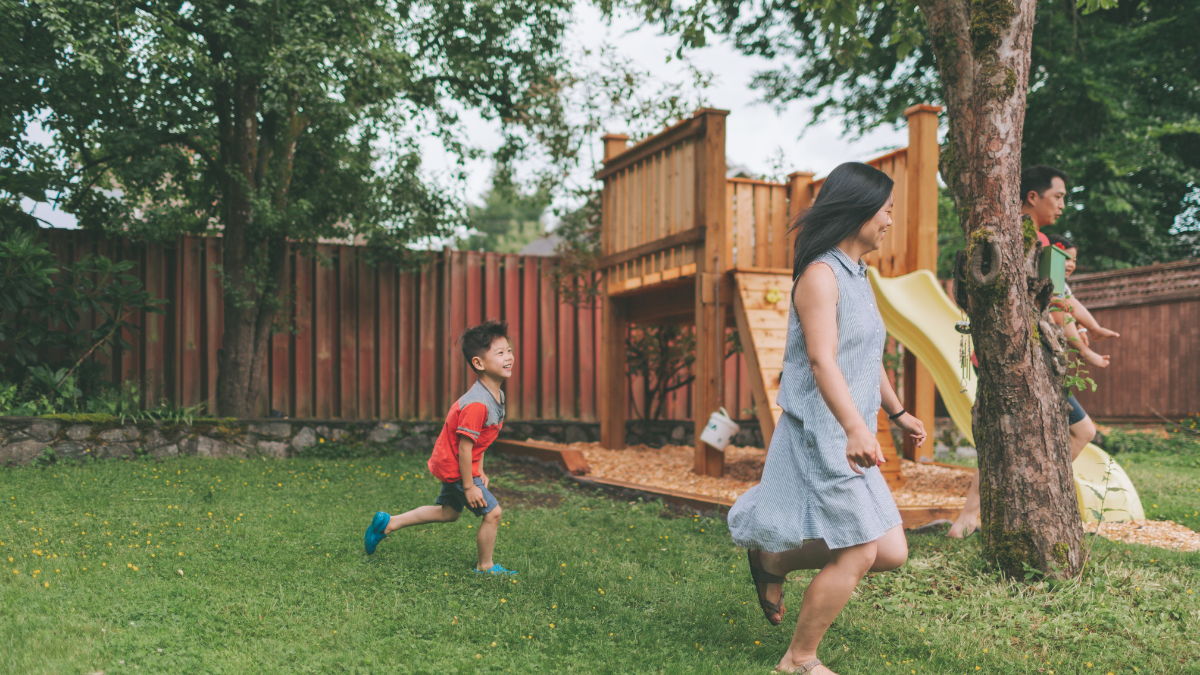
A successful backyard makeover starts with one simple question: How do you want to use your outdoor space? Your yard might serve as a dining area, garden, children’s play space, entertainment zone, quiet retreat, or a combination of several functions.
Once you know what matters most, you can create a backyard that isn’t just attractive—it works naturally with your everyday life.
Evaluate Your Existing Backyard
Before removing landscaping or replacing your patio, look carefully at what you already have.
Evaluate your deck or patio, lawn, trees, fencing, drainage, lighting, irrigation, pathways, storage, and outdoor furniture. Some existing features may need only minor repairs or updates rather than complete replacement.
Keeping useful elements can free up more of your budget for areas that genuinely need improvement.
Measure and Map the Space
Create a simple sketch showing your house, property boundaries, doors, windows, trees, utilities, patios, decks, pathways, and other permanent features.
Accurate measurements can prevent mistakes such as purchasing oversized furniture or designing features that interfere with existing structures.
Also observe how sunlight and shade move across the yard. A spot that’s comfortable in the morning might receive intense afternoon sun, affecting where you place dining areas, gardens, play equipment, and seating.
Divide Your Backyard Into Zones
Think about your backyard like the rooms inside your home. Each area can have a specific purpose.
For example:
- A cooking zone for your grill and preparation space
- A dining zone with a table, chairs, and shade
- A relaxation zone with comfortable seating
- A play zone for children or pets
- A garden zone for plants or raised beds
- A utility zone for tools, equipment, and storage
Creating distinct zones can make even a relatively small backyard feel organized and functional.
Create Easy Pathways
Consider how people will move between your house, patio, grill, garden, gate, shed, and other frequently used areas.
Avoid layouts that force guests to squeeze around furniture or walk directly through cooking areas. Frequently used routes may benefit from durable surfaces such as pavers, stepping stones, or gravel.
Make Your Patio or Deck Work Harder
A patio or deck often becomes the center of outdoor living.
If you already have one, determine whether cleaning, refinishing, repairs, or a modest expansion could make it more useful. If you’re creating a new space, compare materials based on durability, maintenance, appearance, climate, and budget.
Allow enough room around furniture for people to comfortably pull out chairs and walk between different areas.
Choose Furniture for the Way You Live
Outdoor furniture should support your primary activities.
If outdoor meals are important, prioritize a dining set. If relaxation matters more, lounge chairs, sofas, or sectional seating may make better use of the space.
For smaller backyards, compact or multifunctional furniture can help maximize usable space. Measure before shopping and consider durability, maintenance, storage, comfort, and weather resistance.
Add Shade and Lighting
Shade can make an outdoor area significantly more comfortable. Depending on your space and budget, options can include umbrellas, shade sails, pergolas, gazebos, covered patios, or strategically placed trees.
Lighting extends backyard use into the evening. Instead of relying on one bright fixture, consider different types of lighting for entrances, pathways, steps, dining areas, cooking spaces, and seating zones.
Task lighting is especially important around grills, stairs, and frequently traveled pathways.
Use Landscaping With a Purpose
Plants can do much more than make your backyard attractive. Landscaping can define different zones, increase privacy, provide shade, soften hard surfaces, and guide movement.
Choose plants based on your climate, soil, sunlight, available space, and desired maintenance level. Remember to consider mature plant size rather than judging plants only by how they look when purchased.
Plan for Storage
Outdoor spaces quickly become cluttered when hoses, cushions, toys, garden tools, and lawn equipment don’t have designated storage.
Depending on your needs, you might use deck boxes, outdoor cabinets, wall-mounted storage, tool racks, or a shed. Choose storage based on what you actually need to organize rather than simply buying the largest option available.
Set a Realistic Backyard Budget
Establish your maximum budget before shopping and divide it among categories such as:
- Hardscaping
- Furniture
- Landscaping
- Lighting
- Fencing
- Storage
- Outdoor cooking
- Labor and permits
- Contingency expenses
Keep some money available for unexpected costs, particularly if your makeover involves drainage, excavation, electrical work, or existing structures.
If your budget is limited, prioritize permanent improvements before decorative accessories. Fixing drainage or repairing an unsafe deck generally deserves attention before purchasing new décor.
Complete the Makeover in Phases
You don’t have to transform the entire backyard at once.
Start with cleanup, drainage, repairs, and site preparation. Later phases might include patios and pathways, fencing, landscaping, irrigation, furniture, lighting, and optional additions such as a pergola or fire feature.
A phased approach can make a larger backyard plan financially manageable while ensuring that earlier improvements support what you want to add later.
Turn Your Backyard Into a Space You’ll Actually Use
The most functional backyard isn’t necessarily the one with the most features. It’s the one designed around your household’s real needs.
Retailers such as Lowe’s offer products across outdoor categories including landscaping, furniture, fencing, lighting, grills, storage, and building materials, which can help you compare options and establish realistic costs while planning.
Focus first on how you’ll use the space, then build around practical zones, comfortable circulation, shade, storage, landscaping, and maintenance requirements. With thoughtful planning, even a simple backyard can become an outdoor space you genuinely enjoy using.
Leave a Reply