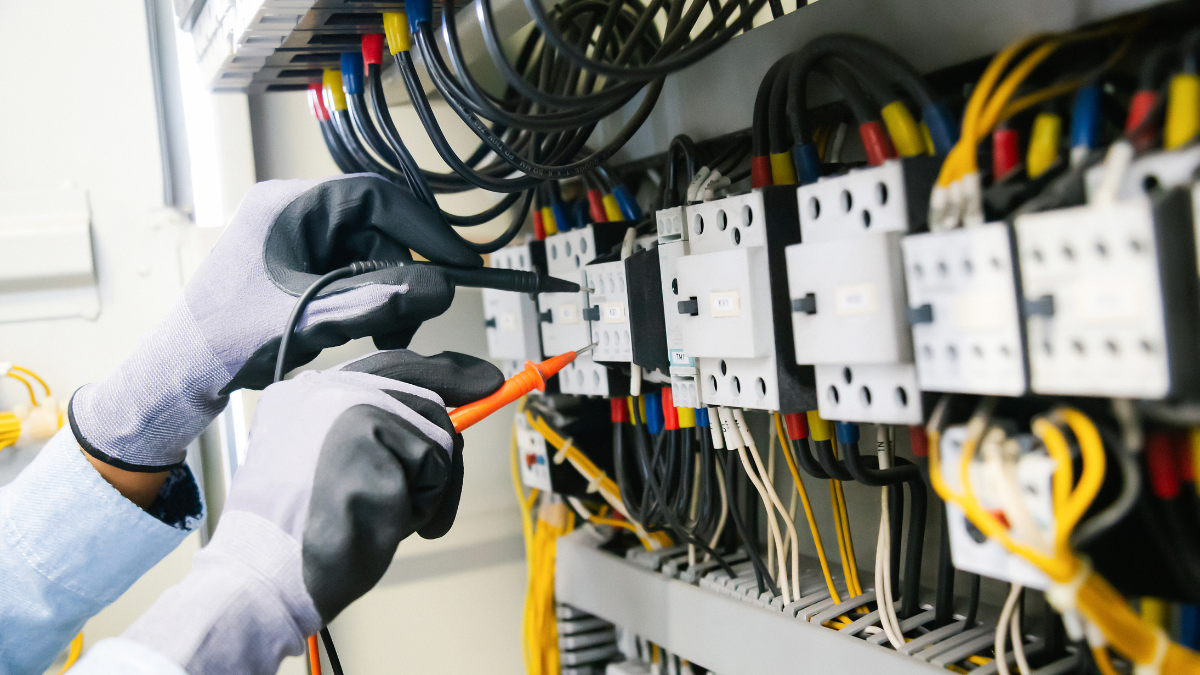
Residential Electrical Services help homeowners repair electrical problems, install fixtures and equipment, upgrade aging systems, and maintain safe electrical connections throughout the home.
From a faulty outlet or flickering light to a full electrical panel replacement, professional electrical work can help keep household power reliable and reduce potential safety hazards.
Modern homes rely heavily on electricity. Heating and cooling equipment, kitchen appliances, computers, televisions, lighting, security systems, chargers, and smart home devices all depend on properly installed wiring and circuits.
When electrical problems appear, hiring a qualified electrician can help identify the source and determine the proper repair.
Professional electrical work may also be needed during renovations, appliance installations, room additions, EV charger projects, or electrical system upgrades.
What Are Residential Electrical Services?
Residential Electrical Services cover electrical installation, repair, inspection, troubleshooting, and maintenance performed in houses, apartments, townhomes, and similar residential properties.
A residential electrician may work on wiring, electrical panels, circuit breakers, outlets, switches, lighting systems, ceiling fans, smoke detectors, dedicated appliance circuits, and other electrical components.
Common services include:
- Electrical troubleshooting
- Outlet and switch repair
- Circuit breaker replacement
- Electrical panel upgrades
- Indoor and outdoor lighting installation
- Ceiling fan installation
- New electrical wiring
- Home rewiring
- Dedicated appliance circuits
- GFCI outlet installation
- AFCI protection
- Surge protection
- EV charger wiring
- Generator connections
- Smart home electrical installation
- Electrical safety inspections
The exact service required depends on the electrical system, the age of the property, and the symptoms being experienced.
Electrical Repair Services for Common Home Problems
Electrical problems can range from minor inconveniences to warning signs of potentially unsafe wiring.
Homeowners may contact an electrician after noticing repeated breaker trips, outlets that stop working, lights that flicker, unusual electrical smells, or switches that feel warm.
The National Fire Protection Association recommends contacting a qualified electrician when homeowners experience issues such as frequently tripped breakers, warm or discolored outlets, sparks, flickering lights, or burning smells.
Faulty Electrical Outlets
An outlet that does not provide power may have a loose connection, damaged wiring, a failed receptacle, or an issue elsewhere on the circuit.
An electrician can test the outlet and associated wiring before recommending repair or replacement.
Signs an outlet may need professional attention include:
- Intermittent power
- Visible discoloration
- Loose plugs
- Crackling noises
- Unusual heat
- Sparks
- Burning odors
Damaged electrical outlets should not be ignored, particularly when heat, smoke, or burning smells are present.
Circuit Breaker Repair and Replacement
Circuit breakers are designed to interrupt electrical current when unsafe conditions occur.
A breaker that occasionally trips because too many devices are connected may indicate an overloaded circuit.
Breakers that repeatedly trip under normal conditions can point to another electrical issue.
Possible causes may include:
- Circuit overloads
- Short circuits
- Ground faults
- Damaged appliances
- Faulty wiring
- Aging breakers
An electrician can inspect the circuit rather than repeatedly resetting a breaker without identifying the cause.
Electrical Panel Upgrades
The electrical panel distributes electricity throughout the home’s circuits.
Older panels may have limited electrical capacity compared with the demands created by modern appliances and electronics.
Renovations, electric vehicle chargers, HVAC equipment, electric ranges, dryers, and other high-demand equipment may sometimes require electrical panel or service upgrades.
An electrician can evaluate the property’s existing electrical capacity before recommending changes.
Panel work may include:
- Breaker replacement
- New circuit installation
- Panel replacement
- Electrical service upgrades
- Panel labeling
- Surge protection installation
- Electrical load evaluation
Panel replacement can become one of the larger expenses associated with Residential Electrical Services because labor, equipment, permits, and inspection requirements may affect the final bill.
Home Wiring and Rewiring Services
Electrical wiring can deteriorate, become damaged, or fall behind current electrical requirements as a property ages.
Home rewiring may be recommended when electricians identify unsafe or outdated wiring, significant electrical damage, or inadequate circuits during a renovation.
Rewiring projects can include replacing electrical cables, installing new outlets, adding switches, upgrading grounding, and creating circuits for appliances or equipment.
Because wiring commonly runs behind walls and ceilings, the labor required can vary significantly from one property to another.
Lighting Installation Services
Lighting installation is another common residential electrical project.
Electricians can install or replace:
- Ceiling lights
- Recessed lighting
- Pendant lights
- Chandeliers
- Wall sconces
- Bathroom lighting
- Kitchen lighting
- Outdoor lighting
- Landscape lighting
- Motion-activated lights
Lighting projects may require new wiring, switches, dimmers, junction boxes, or circuit modifications depending on the location and fixture.
Ceiling Fan Installation
Ceiling fans require secure mounting and proper electrical connections.
Some installations can use existing ceiling wiring. Others may require a new electrical box, wiring, wall switch, or separate fan and light controls.
Professional installation may be especially useful when replacing a standard light fixture with a ceiling fan because fan-rated electrical boxes are designed to support the movement and weight of the fixture.
GFCI and AFCI Protection
Modern electrical systems use protective devices designed to reduce certain electrical hazards.
GFCI Protection
Ground-fault circuit interrupters can shut off electricity when they detect current flowing along an unintended path.
NFPA guidance identifies kitchens, bathrooms, laundry areas, basements, garages, and outdoor locations as areas where GFCI protection is important.
AFCI Protection
Arc-fault circuit interrupters monitor electrical circuits for conditions associated with dangerous electrical arcing.
Current National Electrical Code provisions include AFCI protection requirements across numerous residential living areas and branch circuits.
Local requirements can vary because jurisdictions may adopt different editions or amendments of the electrical code.
Electrical Services for Home Renovations
Remodeling often changes how electricity is used within a room.
Kitchen remodeling, bathroom renovations, basement finishing, and room additions may require additional circuits, outlets, lighting, switches, or appliance connections.
Electrical work during a renovation can include:
| Project | Possible Electrical Work |
|---|---|
| Kitchen renovation | Appliance circuits, outlets, lighting, GFCI protection |
| Bathroom renovation | Lighting, exhaust fans, outlets, GFCI protection |
| Basement finishing | New circuits, outlets, switches, lighting |
| Home office | Additional outlets, dedicated circuits, data wiring |
| Garage upgrade | Lighting, outlets, EV charger circuits |
| Outdoor project | Weather-resistant outlets, lighting, equipment circuits |
Planning electrical work early can help avoid opening finished walls again after construction is completed.
EV Charger Installation
Home electric vehicle charging has created another common residential electrical project.
A Level 2 EV charger usually requires a dedicated electrical circuit. Depending on the charger and existing electrical system, the property may require a new breaker, wiring, disconnect equipment, or electrical panel upgrade.
Before installation, an electrician can review electrical capacity and determine which equipment and circuit configuration are appropriate.
Home Electrical Safety Inspections
An electrical inspection can help identify problems that may not be visible during everyday use.
An electrician may inspect:
- Electrical panels
- Breakers
- Wiring
- Grounding
- Outlets
- Switches
- GFCI protection
- AFCI protection
- Smoke alarm electrical connections
- Outdoor electrical equipment
- Signs of overheating
Electrical inspections may be helpful when purchasing an older property, planning renovations, experiencing repeated electrical problems, or evaluating an aging electrical system.
How Much Do Residential Electrical Services Cost?
Pricing varies by location, project size, electrician experience, accessibility, materials, and permit requirements.
Current 2026 cost data from Angi reports electrician hourly rates commonly around $50 to $130 per hour, while initial service calls may cost roughly $100 to $200.
Minor projects may fall around $150 to $600, while substantial electrical work can reach several thousand dollars.
HomeAdvisor reports similar electrician labor pricing of roughly $50 to $100 per hour, excluding certain materials and project-specific expenses.
Typical national estimates may look like this:
| Residential Electrical Service | Approximate Cost |
|---|---|
| Electrician service call | $100–$200 |
| Standard electrician labor | $50–$130 per hour |
| Minor electrical repair | $150–$600 |
| Outlet installation | Around $200 |
| Light fixture installation | Around $465 |
| Electrical panel work | Around $1,100+ |
| Large electrical project | $2,000–$10,000+ |
These figures are general U.S. estimates rather than guaranteed prices. Local labor rates, materials, accessibility, permits, system condition, and project scope may change the final amount.
What Can Increase Electrical Service Costs?
Several factors may affect the final invoice.
Project Difficulty
Replacing an accessible outlet usually requires less labor than running new wiring through finished walls.
Electrical Materials
Breakers, wiring, electrical panels, outlets, fixtures, conduit, switches, and related components add to project costs.
Property Age
Older properties can sometimes require additional electrical corrections once existing wiring is inspected.
Accessibility
Electrical components located behind walls, above finished ceilings, inside crawl spaces, or in other difficult locations may require additional labor.
Emergency Service
Night, weekend, and urgent electrical calls may carry additional charges. Angi reports emergency callouts can add roughly $100 to $200 in some cases.
Permits and Inspections
Certain electrical projects require permits and local inspections. Requirements and fees depend on the local jurisdiction.
When Should You Call a Residential Electrician?
Professional electrical service may be appropriate when you notice:
- Circuit breakers repeatedly tripping
- Lights regularly flickering or dimming
- Electrical outlets becoming warm
- Burning odors near electrical equipment
- Sparks from outlets or switches
- Buzzing from the electrical panel
- Damaged outlets or switches
- Power disappearing from part of the house
- Older electrical wiring
- Frequent use of extension cords because outlets are limited
NFPA specifically identifies repeated breaker problems, warm or discolored outlets, unusual electrical smells, sparks, and flickering lights as signs that warrant attention from a qualified electrician.
Smoke, active electrical fire, exposed energized wiring, or severe sparking should be treated as an emergency.
Residential Electrician vs. DIY Electrical Work
Basic tasks such as replacing a light bulb may be simple, yet wiring and circuit work carries significant shock and fire risks.
Electrical codes can also affect how wiring, breakers, grounding, GFCI devices, AFCI devices, panels, and circuits must be installed.
For projects involving household wiring, electrical panels, new circuits, or unidentified electrical faults, hiring a licensed professional may be safer than attempting repairs without proper training.
How to Choose Residential Electrical Services
Before hiring an electrician, check several details about the service provider.
Look for:
- Appropriate state or local licensing
- Insurance coverage
- Experience with residential projects
- Written estimates
- Clear labor and material pricing
- Warranty information
- Permit handling when required
- Verified customer feedback
- Emergency service availability when needed
For larger projects, asking for detailed estimates from several qualified electricians can help homeowners compare project scope and pricing.
The lowest quote does not automatically represent the best value. The estimate should clearly describe the electrical work, materials, labor, permits, and other expected charges.
Why Professional Electrical Maintenance Matters
Electrical systems can develop problems gradually.
Loose electrical connections, damaged outlets, overloaded circuits, aging wiring, or faulty equipment may not always cause an immediate failure.
Periodic inspections and timely repairs may help identify these issues before they lead to larger electrical problems.
Homeowners can also reduce risk by avoiding overloaded outlets, replacing damaged cords, keeping electrical cords out from under carpets, and having qualified professionals evaluate suspicious electrical behavior.
These practices align with NFPA residential electrical safety guidance.
Keep Your Home Electrical System Safe and Reliable
Residential Electrical Services cover many household needs, including repairs, electrical panel upgrades, lighting installation, outlet replacement, rewiring, EV charger installation, and electrical safety inspections.
Professional electricians can diagnose electrical problems, identify suitable repairs, and complete installations according to applicable electrical requirements.
Costs can vary greatly, so obtaining a written estimate based on the actual property and project is usually the best way to establish a realistic budget.
Pay attention to repeated breaker trips, warm outlets, sparks, burning smells, flickering lights, or other unusual electrical behavior.
Leave a Reply