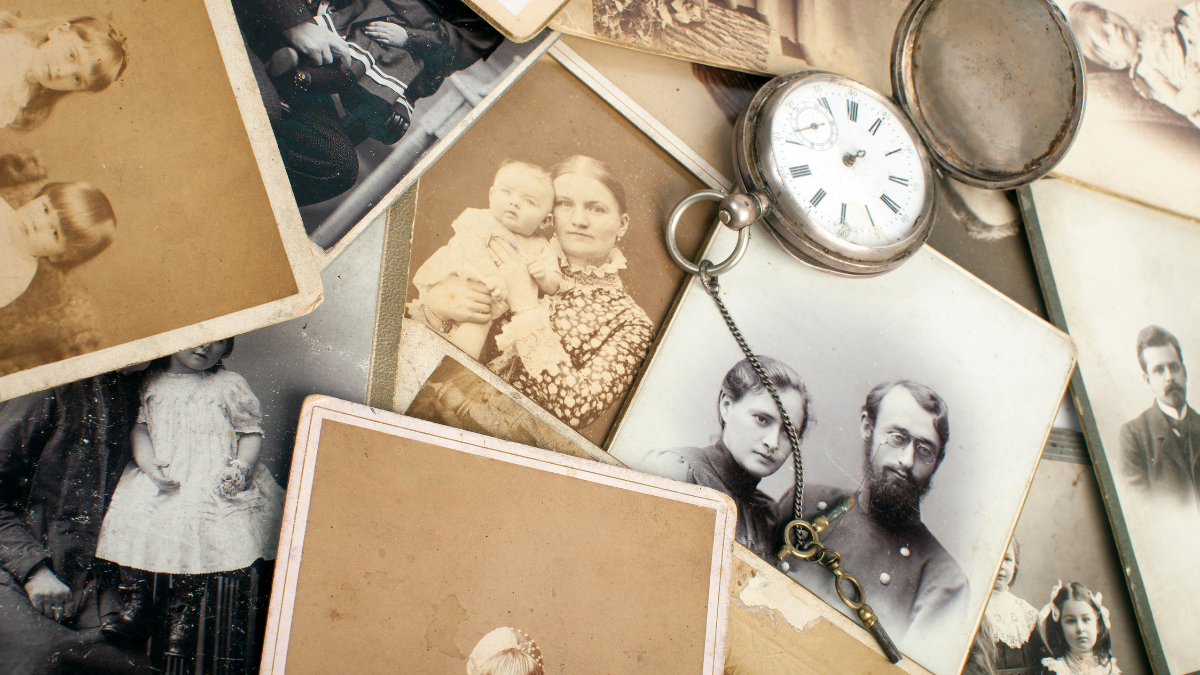
Learning how to trace family history can turn names, dates, and old documents into a much richer story about where your family came from.
You may discover forgotten relatives, migration routes, occupations, marriages, military service, or towns your ancestors once called home.
Family history research does not need to begin with expensive tools or complicated archives. You can start with information already available in your family, then gradually work backward using public records, historical documents, genealogy databases, and local archives.
A careful approach may help you build a more accurate family tree while avoiding common mistakes.
How Can You Trace Family History From the Beginning?
The easiest way to trace family history is to start with yourself and work backward one generation at a time. Begin by recording information about your parents, grandparents, and great-grandparents.
Write down details such as:
- Full names, including maiden names
- Birth dates and birthplaces
- Marriage dates and locations
- Death dates and burial places
- Names of parents and siblings
- Former addresses
- Occupations
- Military service
- Religious affiliations
- Immigration details
Even small details may lead to useful records later.
Try to separate confirmed information from family stories. A story passed down through several generations may contain valuable clues, but official records can help you verify the details.
Talk to Older Relatives Before Searching Online
Family members can be some of the best sources of early genealogy information.
Ask older relatives about people, places, traditions, and events they remember. They may know nicknames, previous surnames, hometowns, or relationships that are difficult to identify through records alone.
Useful questions may include:
- Where were your parents and grandparents born?
- Did anyone in the family move from another country or state?
- What jobs did your relatives have?
- Were there previous marriages?
- Did family members serve in the military?
- Where are relatives buried?
- Are there old photographs, letters, certificates, or family Bibles?
Consider recording interviews, with permission, so important details are not forgotten.
Search Birth, Marriage, and Death Records
Vital records are among the most valuable resources when you want to trace your ancestry.
Birth Records
Birth certificates may provide a person’s full name, date of birth, birthplace, and parents’ names. Some records may also include the parents’ ages, occupations, or addresses.
Marriage Records
Marriage certificates and license applications can help connect family branches. They may list maiden names, parents, witnesses, residences, and previous marital status.
Death Records
Death certificates may include birth information, parents’ names, spouse information, occupation, address, and burial location.
Keep in mind that access rules differ by location. Recent vital records may have privacy restrictions, while older records are often easier to obtain.
Use Census Records to Follow Families Over Time
Census records can provide a snapshot of a household during a specific year.
Depending on the country and time period, a census may show:
- Names of household members
- Ages
- Birthplaces
- Relationships
- Occupations
- Marital status
- Immigration information
- Citizenship status
- Home ownership
Census records can also help distinguish between people who shared similar names.
Explore Immigration and Passenger Records
If your ancestors moved between countries, immigration records may provide valuable information about their journey.
Passenger lists can sometimes show a traveler’s:
- Name
- Age
- Nationality
- Occupation
- Previous residence
- Destination
- Relative in the country of origin
- Contact person at the destination
Naturalization documents may provide additional information about birthplace, arrival date, residence, spouse, and children.
Spelling variations are common in immigration records, so search using several versions of a surname.
Look for Military Records
Military documents can provide details that do not appear in standard genealogy records.
Depending on the record, you may find:
- Enlistment information
- Birth details
- Physical descriptions
- Service units
- Rank
- Campaign participation
- Discharge records
- Pension applications
- Names of spouses or dependents
Pension files can be especially useful because family members sometimes submitted marriage certificates, birth records, letters, or witness statements as supporting evidence.
Search Newspapers and Obituaries
Historical newspapers can add personal details to a family tree.
Obituaries may list relatives, hometowns, occupations, community organizations, churches, and burial information.
Other newspaper records may include:
- Wedding announcements
- Birth announcements
- Anniversary notices
- Business advertisements
- School achievements
- Military updates
- Property transactions
- Court notices
- Community events
Searching a full name along with a city or relative’s name may help narrow the results.
Visit Cemeteries and Search Burial Records
Cemetery records can provide useful clues when other records are missing.
A gravestone may show birth and death dates, relationships, military service, or religious symbols. Nearby graves may belong to spouses, parents, siblings, or other relatives.
Cemetery offices, churches, funeral homes, and local historical organizations may also maintain burial registers.
Photographing headstones and recording their locations can make it easier to organize your findings.
Check Church and Religious Records
Before governments consistently recorded births, marriages, and deaths, religious institutions often maintained these records.
Church registers may contain information about:
- Baptisms
- Christenings
- Marriages
- Confirmations
- Burials
- Parents and godparents
These records can be especially useful when tracing family history into the 1700s or 1800s.
Some records remain with individual churches, while others have been transferred to archives, libraries, or genealogy databases.
Search Land, Property, and Probate Records
Property and probate records may reveal relationships between family members.
Land deeds can help track where ancestors lived and when property changed ownership.
Wills and probate files may identify:
- Spouses
- Children
- Grandchildren
- Siblings
- Other relatives
- Property
- Personal possessions
- Executors
- Witnesses
A will can sometimes connect several generations in one document.
Use Online Genealogy Databases Carefully
Online genealogy tools can make research faster because they combine millions or billions of historical records into searchable databases.
You may find:
- Census records
- Family trees
- Vital records
- Military documents
- Immigration records
- Newspapers
- Cemetery listings
- Historical directories
However, information in another person’s family tree should be treated as a clue rather than proof.
Consider DNA Testing as an Additional Research Tool
DNA testing may help you discover biological relatives or identify ancestral regions.
Different tests may be useful for different research goals.
| DNA Test | Common Use |
|---|---|
| Autosomal DNA | Finding relatives across several family branches |
| Y-DNA | Studying direct paternal lines |
| Mitochondrial DNA | Studying direct maternal lines |
DNA results should usually be combined with traditional records. Genetic matches may suggest relationships, but documents can help determine exactly how two people are connected.
Privacy policies should also be reviewed carefully before submitting genetic information.
Keep Your Family History Research Organized
Genealogy research can become confusing quickly once you collect dozens of names and documents.
Create a system for saving:
- Certificates
- Census records
- Photographs
- Newspaper articles
- Interview notes
- Cemetery records
- Military documents
- Website links
- Source citations
You can organize files by surname, family branch, generation, or record type.
Consider creating a research log that records what you searched, where you searched, and what you found. This can prevent you from repeating the same research later.
Verify Information With Multiple Sources
Accurate genealogy research depends on evidence.
A useful rule is to confirm important facts using more than one reliable source whenever possible.
For example, a birth date may appear in:
- A birth certificate
- A census record
- A military document
- A marriage record
- A death certificate
- A gravestone
If several independent records show the same information, confidence in the finding may increase.
Conflicting information is also common. Dates may be slightly different, names may be misspelled, and ages may change between records. Compare the evidence instead of automatically selecting the first result.
Common Challenges When You Trace Your Ancestry
Family history research often includes missing records and confusing names.
Surname Changes
Names may change because of marriage, immigration, translation, clerical errors, or personal choice.
Repeated Family Names
Several generations may use the same first name, making it difficult to distinguish one person from another.
Missing Records
Documents may have been lost because of fires, wars, natural disasters, or poor record keeping.
Incorrect Online Trees
Public family trees may contain relationships that have never been verified.
Changing Boundaries
Cities, counties, states, and countries may have had different names or borders during your ancestor’s lifetime.
Understanding these challenges may help you search more effectively.
How Far Back Can You Trace Family History?
How far you can trace your family tree depends heavily on location, record availability, family circumstances, and historical events.
Many people can document several generations using civil registration, census records, church records, and probate files. Some family lines may extend much farther if older records survived.
Avoid focusing only on reaching the earliest possible ancestor. A smaller family tree supported by reliable evidence is usually more useful than a large tree built mainly from assumptions.
Keep Exploring Your Family’s Past
Learning to trace family history is a gradual process. Start with the people you know, collect family documents, interview relatives, and work backward using reliable historical records.
Birth certificates, marriage records, census documents, immigration files, military records, newspapers, cemetery records, and probate documents may each reveal another piece of your family’s story.
Keep clear notes, verify important discoveries, and stay flexible when records conflict. With careful research, your family tree can become more than a collection of names and dates.
Leave a Reply