Prepared meals can make busy days easier, but choosing between fresh and frozen options isn’t always straightforward. Fresh prepared meals are generally kept refrigerated and eaten within a shorter period, while frozen meals offer longer storage when handled correctly.
Neither option is automatically better. Your schedule, storage space, food preferences, budget, and preparation needs can all influence which format works best.
What Are Fresh Prepared Meals?
Fresh prepared meals arrive refrigerated and are stored in the refrigerator until you’re ready to eat them. Many require reheating, although some may be designed to be eaten cold.
Their main limitation is a relatively short storage window. Follow the labeled use-by date and storage instructions carefully.
What Are Frozen Prepared Meals?
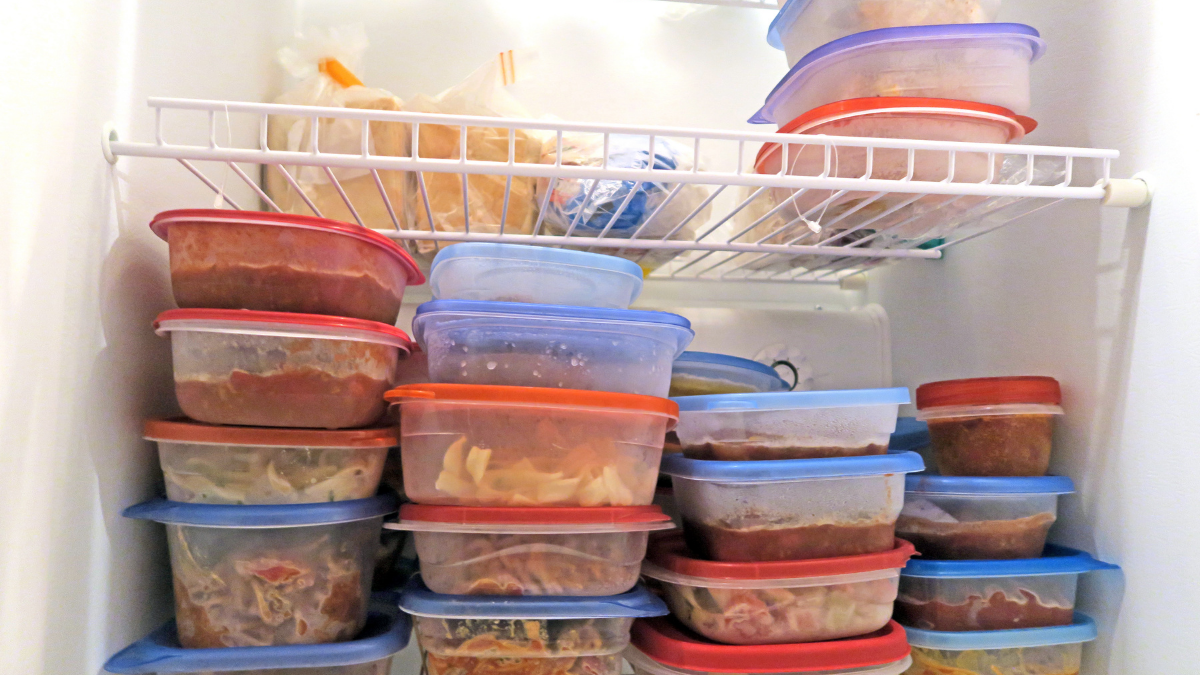
Frozen prepared meals remain at freezing temperatures until preparation.
They can generally be stored considerably longer than refrigerated meals when kept continuously frozen according to product guidance. Preparation varies, with some meals going directly from freezer to microwave or oven while others require thawing first.
Shelf Life Is a Key Difference
Fresh meals usually work best when you know you’ll eat them within the recommended timeframe.
Frozen meals provide more scheduling flexibility because they can remain stored longer. This can be useful when plans frequently change or you want backup meals available.
Consider Your Storage Space
Ordering several refrigerated meals at once can quickly fill your refrigerator. Frozen options require sufficient freezer space instead.
Before ordering, consider how many containers you’ll receive and whether you can store everything at the correct temperature immediately.
Texture May Be Different
Freezing and thawing can change the texture of certain foods. Some vegetables may soften, while sauces and starches can respond differently after freezing.
Refrigerated meals avoid the freezing process, which may help preserve certain textures. However, recipe design, packaging, storage time, and reheating technique can also affect the final result.
Reheating Requirements Can Vary
Refrigerated meals may heat relatively quickly because they’re already cooked and chilled. Frozen meals can require additional heating time or different preparation.
Rather than estimating, follow the package instructions for reheating, thawing, stirring, venting, resting, and any recommended temperature checks.
Match the Format to Your Schedule
If your weekly routine is predictable, fresh meals may be convenient because you can assign them to specific lunches and dinners and eat them according to their use-by dates.
Frozen meals can work particularly well when your schedule changes frequently. If dinner plans change, the meal can remain frozen for another appropriate day rather than needing to be eaten immediately.
Think About Food Waste
Ordering more refrigerated meals than you can eat within the recommended timeframe may lead to unnecessary waste.
Frozen meals offer greater flexibility, but they’re not immune to waste either. Meals can easily become forgotten at the back of the freezer. Keeping a simple inventory and rotating older meals forward can help.
Don’t Assume Fresh Is More Nutritious
Fresh doesn’t automatically mean more nutritious, and frozen doesn’t automatically mean less nutritious.
The nutritional profile depends more on the ingredients, portion size, recipe, and preparation method. When comparing meals, look at the complete nutrition label, including factors such as protein, fiber, sodium, saturated fat, carbohydrates, added sugars, calories, vitamins, and minerals when relevant to your needs.
Compare Portion Sizes and Costs
Prepared-meal portions aren’t standardized. Check how many servings are actually included before comparing prices or nutrition information.
Cost can also depend on ingredients, portion size, preparation, packaging, delivery charges, minimum orders, promotions, taxes, and subscription terms. Looking at the total amount you’ll pay provides a more useful comparison than the advertised price alone.
Consider Using Both
You don’t necessarily need to choose one format exclusively.
Fresh meals can cover planned lunches and dinners early in the week, while frozen meals can remain available for busier or less predictable days. A combination can provide more flexibility without requiring every meal to follow the same storage schedule.
Choose What Fits Your Weekly Routine
The biggest differences between fresh and frozen prepared meals involve storage, shelf life, texture, reheating time, and scheduling flexibility.
Fresh meals may suit a predictable schedule and regular refrigerator use, while frozen options can provide longer-term flexibility. Compare individual meals, ingredients, nutrition information, preparation requirements, storage instructions, and total costs to determine which approach fits your routine best.
Leave a Reply