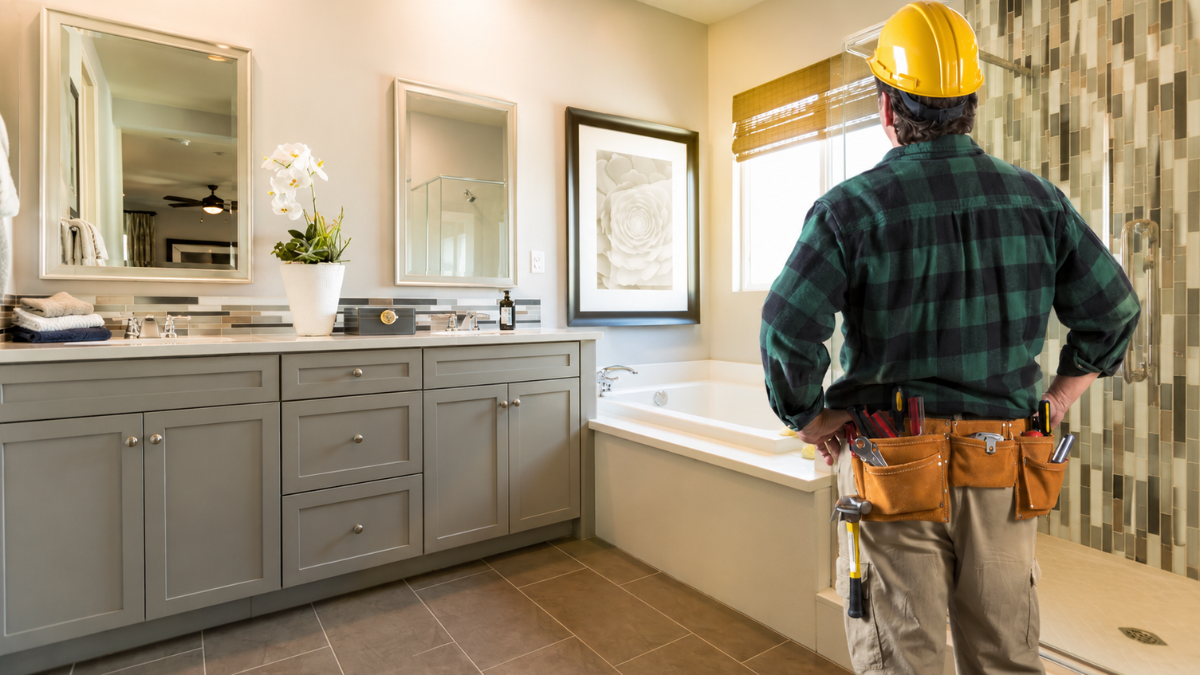
A bathroom remodel can make an outdated space more functional, comfortable, and visually appealing. Changes can range from replacing a vanity and fixtures to rebuilding a shower, upgrading plumbing, installing new flooring, or changing the entire layout.
Before starting, it helps to understand what influences the budget and which improvements deserve priority. Bathroom renovation costs can vary considerably based on room size, materials, labor rates, plumbing changes, and the complexity of the project.
Here’s what to consider when planning your project.
How Much Does a Bathroom Remodel Cost?
The cost of a bathroom remodel varies by project scope, location, material quality, and labor requirements.
A simple cosmetic update may cost a few thousand dollars, while an extensive renovation involving plumbing, electrical work, custom finishes, and structural changes can cost tens of thousands.
Approximate project ranges may include:
| Remodel Level | Approximate Cost |
|---|---|
| Basic bathroom refresh | $2,500–$7,500 |
| Mid-range bathroom remodel | $7,500–$20,000 |
| Extensive renovation | $20,000–$40,000+ |
| Luxury or custom remodel | $30,000–$60,000+ |
These figures are general planning estimates rather than guaranteed prices. Local labor costs, permits, room size, materials, and unexpected repairs can substantially affect the final amount.
What Should You Plan Before Starting a Bathroom Remodel?
A successful renovation usually begins with deciding what needs to change and why. Walk through your current bathroom and identify problems such as limited storage, an inconvenient layout, damaged surfaces, poor lighting, or an outdated tub.
Consider these questions:
- What is your maximum project budget?
- Which existing features can stay?
- Do you need a bathtub, shower, or both?
- Does the plumbing need to move?
- How much storage do you need?
- Which materials can handle regular moisture?
- Will permits or professional contractors be required?
- How long can the bathroom be unavailable?
Where Does the Bathroom Remodeling Budget Go?
Labor and major fixtures can account for a significant portion of the budget. Changing plumbing or electrical locations may also increase expenses because walls and floors may need to be opened.
Common expenses can include:
- Bathroom vanity: approximately $300–$3,000+
- Toilet: approximately $150–$1,000+
- Bathtub: approximately $400–$5,000+
- Shower installation: approximately $1,000–$8,000+
- Flooring: approximately $3–$20+ per square foot for materials
- Faucets and fixtures: approximately $100–$1,500+
- Lighting: approximately $100–$1,000+
- Painting: approximately $200–$1,000+
- Plumbing work: approximately $500–$5,000+, depending on scope
Actual prices vary, so obtaining detailed local estimates can provide a clearer picture of potential bathroom remodeling costs.
Should You Keep or Change the Existing Layout?
Keeping toilets, sinks, showers, and tubs close to their existing plumbing locations may help control costs.
Moving these fixtures can require changes to water supply lines, drains, electrical wiring, flooring, and walls. In some homes, structural modifications may also be necessary.
If the current layout works reasonably well, updating the finishes and fixtures without relocating major plumbing may provide a noticeable transformation with fewer complications.
A layout change may make more sense when the existing bathroom is cramped, difficult to use, or poorly arranged.
Choosing a New Shower or Bathtub
Showers and bathtubs often become focal points during a remodel.
A walk-in shower can provide convenient access and create a more open appearance. Common options include tiled showers, prefabricated shower systems, glass enclosures, built-in niches, benches, and handheld showerheads.
Homeowners who rarely use their bathtub sometimes consider a tub-to-shower conversion. Before removing the tub, consider your household’s current and future needs.
For bathrooms where bathing remains important, replacing an older tub may be the better choice.
Select Bathroom Flooring for Moisture-Prone Areas
Bathroom floors regularly encounter water and humidity, making moisture resistance an important consideration.
Common bathroom flooring choices include:
| Flooring | Key Characteristics |
|---|---|
| Porcelain tile | Durable and water resistant |
| Ceramic tile | Available in many designs and price ranges |
| Luxury vinyl | Water-resistant options and softer underfoot |
| Natural stone | Premium appearance but may require maintenance |
| Sheet vinyl | Affordable and relatively easy to maintain |
Slip resistance is also worth considering, particularly in households with children, older adults, or people with limited mobility.
Improve Bathroom Storage
Limited storage can quickly make a bathroom feel cluttered.
A new bathroom vanity may provide drawers or cabinets for toiletries, towels, cleaning supplies, and personal-care products. Additional storage ideas include medicine cabinets, floating shelves, recessed wall cabinets, and tall linen cabinets.
Think about what you actually store in the bathroom before selecting cabinetry. A large vanity may look appealing but could make a smaller room harder to navigate.
Upgrade Bathroom Lighting
Bathroom lighting needs to support grooming while still creating a comfortable atmosphere.
Rather than relying on a single ceiling fixture, consider combining several types of lighting:
- General overhead lighting
- Vanity lighting around the mirror
- Shower lighting where appropriate
- Accent lighting for decorative features
- Night lighting for safer navigation
Electrical fixtures used in damp or wet locations should be appropriate for those environments and installed according to applicable electrical codes.
Don’t Overlook Ventilation
Ventilation plays an important role in controlling bathroom humidity.
A properly sized exhaust fan may help remove moisture generated by showers and baths. Excess moisture can contribute to peeling paint, damaged finishes, and conditions that encourage mold growth.
When selecting a fan, consider bathroom size, airflow capacity, noise level, and venting requirements.
How Can You Save Money on a Bathroom Remodel?
Controlling costs does not necessarily mean choosing the cheapest materials available. Strategic decisions can have a greater impact.
Potential ways to reduce expenses include keeping the existing layout, refinishing usable features, choosing standard-size fixtures, comparing contractor estimates, and focusing spending on high-use areas.
You might also handle simple cosmetic tasks yourself if you have the necessary experience. Plumbing, electrical, structural, and waterproofing work may require qualified professionals or permits depending on local regulations.
A contingency fund can also be useful. Once demolition begins, contractors may uncover water damage, outdated wiring, plumbing problems, or other issues that were previously hidden.
DIY vs. Professional Bathroom Remodeling
Some parts of a remodel may be suitable for experienced DIY homeowners, while others carry greater risks.
Painting, installing accessories, changing cabinet hardware, and completing minor cosmetic updates may be manageable without professional assistance.
More complicated work involving electrical systems, plumbing, structural changes, shower waterproofing, or major tile installation may benefit from professional expertise.
How Long Does a Bathroom Remodel Take?
Project timelines vary considerably.
A cosmetic refresh might take several days or a couple of weeks. A complete renovation could take several weeks or longer, particularly when custom materials, inspections, permits, or extensive plumbing work are involved.
Potential delays include:
- Material backorders
- Permit approvals
- Contractor availability
- Unexpected plumbing problems
- Water damage discovered during demolition
- Custom cabinetry or glass fabrication
- Inspection scheduling
Ordering critical materials before demolition may help reduce avoidable downtime.
Bathroom Remodel Ideas for Smaller Spaces
A small bathroom can still feel functional with careful planning.
Consider a floating vanity, recessed medicine cabinet, glass shower enclosure, wall-mounted storage, larger-format tiles, and appropriately sized fixtures. Maintaining clear walking paths is generally more useful than filling the room with oversized features.
Good lighting and a coordinated material palette may also help the room feel less visually crowded.
What Mistakes Should You Avoid?
One common mistake is focusing heavily on appearance while overlooking practical details.
Pay attention to ventilation, waterproofing, storage, lighting, drainage, electrical requirements, and fixture spacing. Choosing materials that are difficult to maintain can also create unnecessary work later.
Another potential problem is beginning demolition before confirming product availability. If essential fixtures or materials are delayed, the bathroom may remain unusable longer than expected.
Building a Bathroom That Fits Your Everyday Needs
A bathroom remodel works best when design decisions support the way the space is actually used. Start with necessary repairs and functional improvements, establish a realistic budget, and then consider aesthetic upgrades.
From a new bathroom vanity and moisture-resistant flooring to a walk-in shower or tub-to-shower conversion, each improvement comes with different costs and installation requirements.
Leave a Reply