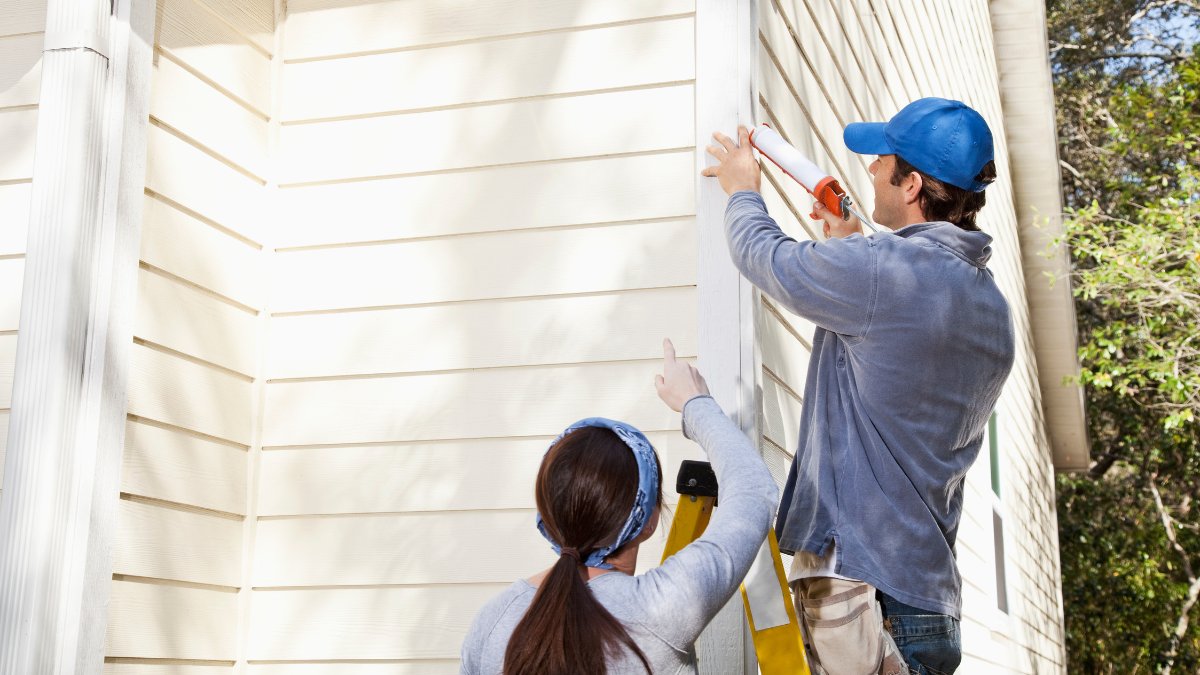
Keeping a home in excellent condition doesn’t always require professional assistance. With the right knowledge and a proactive approach, DIY home maintenance can help homeowners prevent costly repairs, improve energy efficiency, and maintain a safe living environment.
Regular upkeep not only protects your property but also extends the lifespan of essential systems and appliances. This guide covers practical DIY home maintenance tasks that every homeowner can perform throughout the year.
Why DIY Home Maintenance Matters
DIY home maintenance helps homeowners identify small problems before they become expensive repairs. Routine inspections and preventive care can improve comfort, reduce utility costs, and preserve property value.
Benefits of DIY home maintenance include:
- Lower repair expenses
- Improved home safety
- Better energy efficiency
- Increased property value
- Extended lifespan of home systems
- Greater peace of mind
Essential Tools for DIY Home Maintenance
Before starting any maintenance project, it’s helpful to have basic tools on hand.
Common DIY home maintenance tools include:
- Hammer
- Screwdriver set
- Adjustable wrench
- Tape measure
- Utility knife
- Flashlight
- Cordless drill
- Ladder
- Safety gloves
- Safety glasses
Having these tools readily available makes routine maintenance tasks easier and more efficient.
Monthly DIY Home Maintenance Tasks
Check HVAC Filters
Dirty air filters restrict airflow and force HVAC systems to work harder. Inspect filters monthly and replace them as needed.
Test Smoke and Carbon Monoxide Detectors
Ensure all detectors are functioning properly by testing them regularly and replacing batteries when necessary.
Inspect Plumbing Fixtures
Check faucets, sinks, and toilets for leaks that could waste water and increase utility bills.
Clean Kitchen Exhaust Fans
Remove grease and dust buildup to improve airflow and maintain kitchen cleanliness.
Seasonal DIY Home Maintenance Tasks
Spring Maintenance
Spring is the ideal time to inspect your home after winter weather.
Tasks include:
- Clean gutters and downspouts
- Inspect the roof for damage
- Check exterior siding
- Service air conditioning units
- Examine outdoor faucets
Summer Maintenance
Warm weather creates opportunities for exterior home care.
Tasks include:
- Pressure wash driveways and walkways
- Inspect decks and patios
- Trim trees and shrubs
- Seal cracks in concrete surfaces
- Clean windows and screens
Fall Maintenance
Preparing for colder temperatures can help avoid winter-related problems.
Tasks include:
- Clean gutters again
- Inspect weather stripping
- Seal gaps around doors and windows
- Check heating systems
- Drain outdoor hoses
Winter Maintenance
Winter maintenance focuses on protecting your home from freezing temperatures.
Tasks include:
- Monitor attic insulation
- Inspect pipes for freezing risks
- Check for ice dam formation
- Test backup heating equipment
- Remove excess snow from walkways
DIY Home Maintenance for Plumbing Systems
Proper plumbing maintenance helps prevent leaks and water damage.
Inspect Visible Pipes
Look for signs of corrosion, moisture, or loose connections.
Clear Slow Drains
Use drain cleaning tools or natural cleaning methods to remove buildup before clogs worsen.
Check Water Pressure
Excessively high water pressure can strain plumbing fixtures and pipes.
DIY Home Maintenance for Electrical Systems
Basic electrical inspections can improve safety.
Test GFCI Outlets
Press the test and reset buttons on GFCI outlets to verify proper operation.
Inspect Power Cords
Replace damaged cords immediately to reduce electrical hazards.
Check Circuit Breakers
Ensure breakers are functioning correctly and label them for easier identification.
DIY Home Maintenance for Energy Efficiency
Reducing energy waste can lower utility bills and improve comfort.
Seal Air Leaks
Apply weather stripping and caulk around windows and doors where air leaks are present.
Upgrade to LED Lighting
LED bulbs consume less energy and typically last longer than traditional bulbs.
Add Insulation
Improved insulation helps maintain consistent indoor temperatures throughout the year.
Exterior DIY Home Maintenance Tips
Maintain Gutters
Clean gutters regularly to prevent water damage and foundation issues.
Inspect Roofing Materials
Look for missing shingles, damaged flashing, and signs of wear.
Maintain Landscaping
Keep vegetation trimmed away from the home’s exterior to reduce moisture and pest issues.
Common DIY Home Maintenance Mistakes to Avoid
Many homeowners can avoid unnecessary repairs by steering clear of these mistakes:
- Ignoring small leaks
- Delaying routine inspections
- Using incorrect tools
- Neglecting safety equipment
- Skipping seasonal maintenance
Addressing issues early can help prevent expensive repairs later.
Creating a DIY Home Maintenance Schedule
A maintenance schedule helps homeowners stay organized and consistent.
Consider dividing tasks into:
- Monthly inspections
- Seasonal projects
- Annual maintenance checks
- Emergency preparedness reviews
Using a checklist can make it easier to track completed tasks throughout the year.
Final Thoughts
DIY home maintenance is one of the most effective ways to protect your property and avoid costly repairs. By performing regular inspections and completing routine upkeep, homeowners can improve safety, efficiency, and overall home performance.
A consistent DIY home maintenance routine helps preserve the condition of your home while giving you greater confidence in managing everyday maintenance tasks.
Leave a Reply