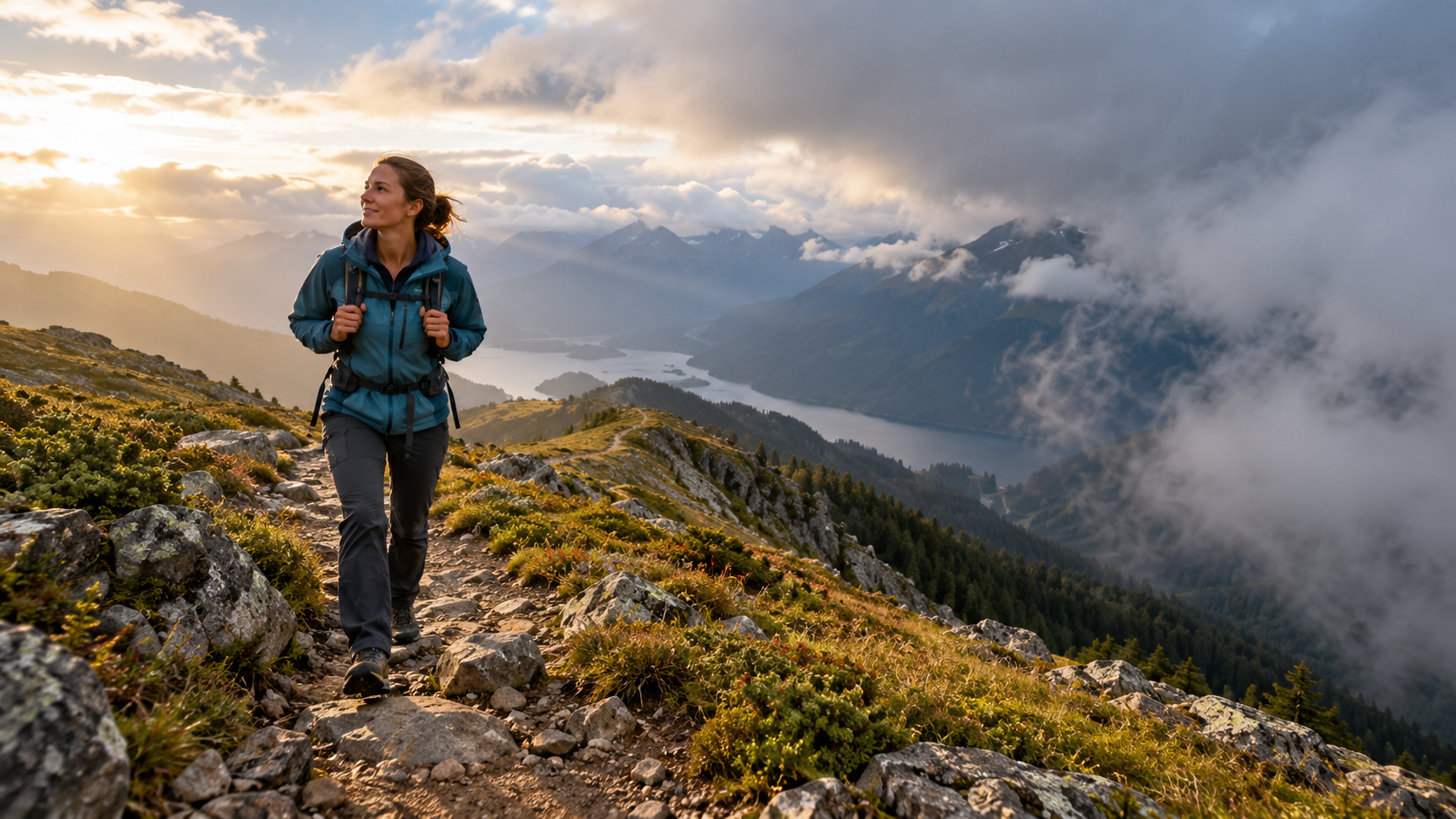
The forecast says mild, but your route climbs into the wind. An hour later, clouds roll in. That is why an outdoor wardrobe works best as a set of layers you can add, remove, and pack without fuss. You do not need a separate outfit for every possible forecast. You need clothes that work together and suit the trip ahead.
Start with the season, terrain, and how active you will be. A steady hike can make you warm even on a cool day, while a long break can leave you chilly. Check conditions for your whole route, including higher elevations, before deciding what to wear and carry.
Begin With a Comfortable Base Layer
The layer against your skin sets the tone for the day. Choose a shirt or top that feels comfortable as you move and manages moisture when you sweat. Lightweight synthetic fabrics and merino wool are useful choices for active outings. In cold or wet conditions, cotton can hold moisture and leave you uncomfortable when you slow down.
Pick the weight for the weather and your activity. A light shirt may be enough on a warm hike, while a warmer base layer can help when temperatures fall. Fit matters too: you should be able to reach, bend, and wear another layer over it without bunching.
Add Warmth You Can Remove
A fleece, knit midlayer, or insulated jacket gives you a quick response to a cooler stretch of trail. Fleece is easy to wear while moving and can sit under a shell. A packable insulated jacket may feel better during a rest stop when your body is no longer generating as much heat.
Think about moisture when choosing insulation. Down packs small and offers warmth for its weight, but it needs protection from rain. Synthetic insulation can be a practical choice when conditions are damp. Bring the amount of warmth your trip calls for; the thickest jacket is not automatically the most useful one.
Keep a Protective Shell Ready
Your outer layer handles wind and precipitation. A rain shell should fit over the layers you intend to wear beneath it and leave enough room for natural movement. Check the hood, cuffs, pockets, and ventilation features before you buy. If rain is possible but uncertain, a packable shell can stay in your bag until you need it.
Water-resistant and waterproof are different levels of protection. Light showers may be manageable in a water-resistant layer, while prolonged rain calls for more dependable rain gear. If wet weather is likely throughout the day, consider rain pants as well as a jacket.
Choose Pants and Footwear for the Ground
Quick-drying pants or shorts make sense for many active days. Look for a fit that lets you step up, crouch, and walk without pulling at the knees or waist. In cold or windy conditions, full-length pants add coverage; in sustained rain, an outer rain layer may be useful.
Trail shoes can suit maintained paths and lighter loads. Boots may provide more protection on rough, muddy, or colder routes. Choose traction, fit, and comfort for the terrain rather than selecting footwear by appearance alone. Test new shoes on shorter walks before a long outing.
Socks deserve their own decision. Merino or synthetic hiking socks can help manage moisture and friction, and a dry spare pair is welcome if the first gets soaked. Make sure your chosen socks work with the fit of your shoes.
Use Small Accessories to Adjust Fast
A brimmed hat and sunglasses help on sunny stretches. A warm hat, lightweight gloves, or neck gaiter can make a windy break much more comfortable without filling your pack. Choose accessories you will actually use, then keep them where you can reach them when the weather changes.
Before leaving, try your full layering combination and make sure every piece fits together. Pack the layers you remove where they will stay dry. If you feel overheated while walking, adjust early rather than waiting until your base layer is soaked.
The next time you head out, check the conditions along the entire route, build your layers around the coldest reasonable stretch, and leave room to change as the day unfolds. A flexible wardrobe lets you focus on the outdoors instead of your clothes.
Leave a Reply