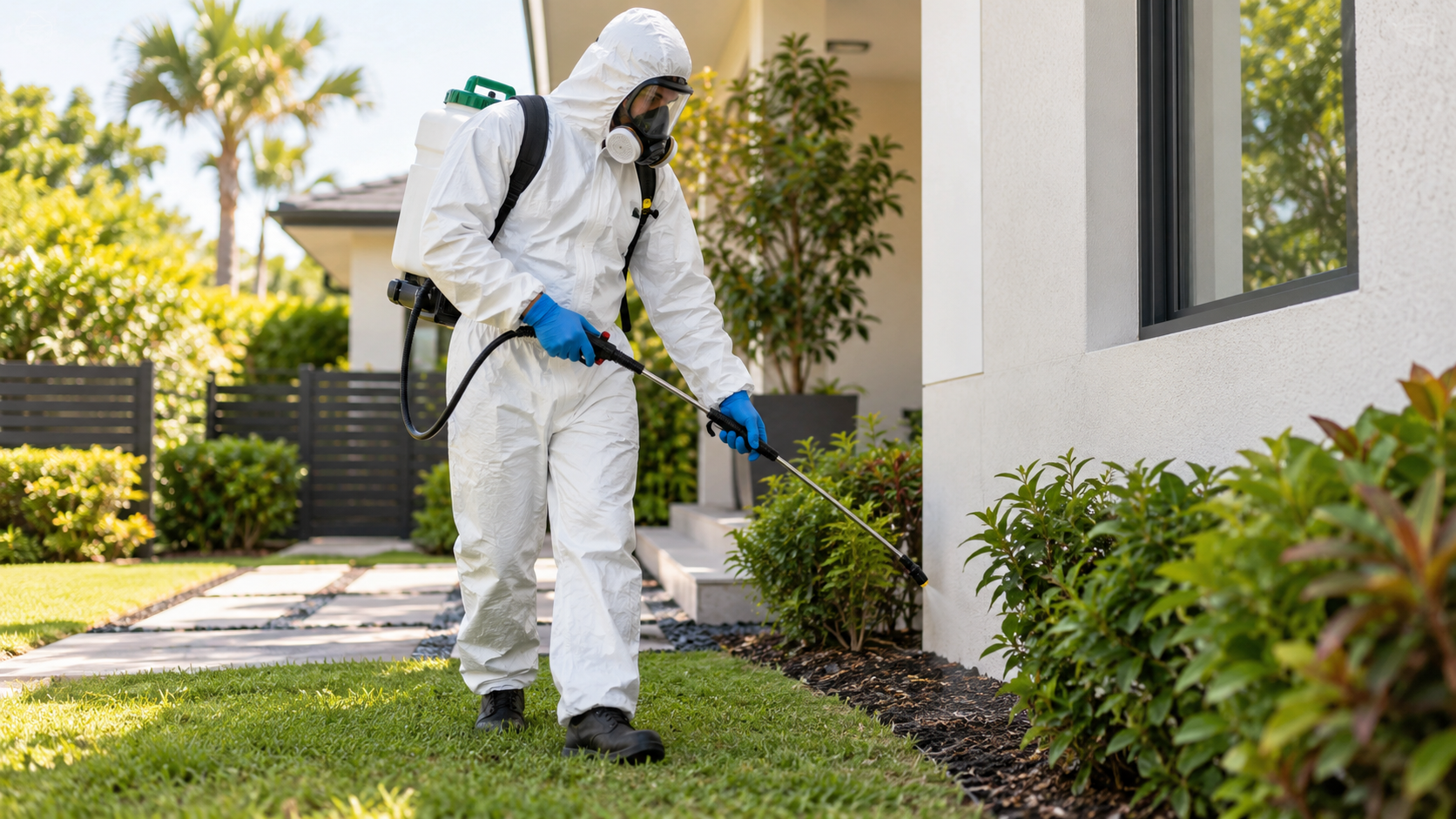
Pests can quickly turn a comfortable home into a frustrating place to live. Ants may appear around kitchen counters, rodents can enter through small openings, and termites may damage wood long before you notice obvious warning signs.
Professional pest control services can help identify infestations, treat problem areas, and reduce conditions that attract pests in the first place.
A good pest management plan does more than address insects or rodents you can already see. It may include inspections, targeted treatments, entry-point recommendations, and scheduled follow-up visits.
How Pest Control Services Help Protect Your Property
Professional pest control services generally begin by identifying the type of pest, locating areas of activity, and determining factors that may be contributing to the problem.
Technicians may inspect kitchens, bathrooms, garages, basements, attics, foundations, exterior walls, landscaping, and other places where pests commonly hide or enter.
Treatment recommendations can vary depending on the pest. Some problems may require targeted applications around specific areas, while others may need traps, bait systems, exclusion techniques, or ongoing monitoring.
A professional approach can also help prevent unnecessary treatment by focusing on areas where pest activity has actually been found.
What Does Professional Pest Control Include?
Professional pest control may include several services depending on the company and infestation.
Common services include:
- Property inspections
- Pest identification
- Indoor and outdoor treatments
- Bait and trap placement
- Entry-point inspections
- Nest or colony treatment
- Follow-up visits
- Preventive maintenance
- Recommendations for sanitation and moisture control
- Monitoring for recurring activity
Before treatment begins, ask which services are included and how many follow-up visits may be necessary.
Why a Pest Inspection Matters
A pest inspection helps determine the extent of an infestation before treatment begins.
Some pests remain hidden inside walls, crawl spaces, cabinets, attics, or other areas that homeowners rarely inspect.
A technician may look for droppings, nesting materials, damaged wood, insect activity, entry holes, moisture problems, and other warning signs.
An inspection can also help distinguish between similar pests. Correct identification matters because treatments effective for one species may not work well for another.
For example, controlling carpenter ants may require a different strategy than treating termites.
Common Pests Found Around Homes
Different climates, seasons, and property conditions can attract different pests.
Ants
Ants often enter homes searching for food and water. Small cracks around doors, windows, foundations, and utility lines can provide convenient entry points.
Controlling an ant problem may involve locating nests, removing food sources, sealing openings, and using targeted bait treatments.
Cockroaches
Cockroaches commonly hide in dark, warm, and humid locations. Kitchens, bathrooms, cabinets, drains, and appliance areas can provide suitable environments.
Cleaning food residue and reducing moisture can support professional treatment.
Termites
Termites can feed on wood and other cellulose-containing materials. Because termite activity may occur inside walls or structural wood, infestations can sometimes remain unnoticed.
Rodents
Mice and rats can enter buildings through surprisingly small openings.
Professional rodent control may involve traps, bait stations, entry-point identification, sanitation recommendations, and exclusion measures designed to reduce future access.
Spiders
Most spiders enter homes while searching for insects or shelter. Reducing other insect populations and sealing cracks may help limit spider activity.
Fleas
Fleas may enter homes through pets, wildlife, clothing, or furnishings. Effective treatment often involves addressing both the indoor environment and pets with veterinarian-approved flea prevention.
Bed Bugs
Bed bugs can hide in mattresses, furniture seams, baseboards, luggage, and small cracks.
Professional treatment options may include targeted insecticides, heat treatments, monitoring devices, or combined strategies.
Pest Extermination Versus Pest Management
People sometimes use pest extermination and pest management interchangeably, but the approaches can differ.
Extermination typically focuses on eliminating an existing pest problem. Pest management takes a broader approach by considering treatment, prevention, monitoring, sanitation, structural repairs, and environmental conditions.
Many modern pest companies use integrated pest management principles. This approach focuses on identifying the source of a problem and using targeted methods rather than relying only on widespread chemical applications.
What Is Integrated Pest Management?
Integrated Pest Management, commonly called IPM, combines different strategies to control pests while reducing unnecessary pesticide use.
An IPM plan may involve:
- Identifying the pest
- Monitoring pest activity
- Removing food and water sources
- Sealing entry points
- Repairing leaks
- Improving sanitation
- Using traps or bait stations
- Applying targeted treatments when necessary
- Monitoring the property after treatment
Signs You May Need Pest Control Services
A single insect does not always indicate a major infestation, but repeated activity may deserve closer attention.
Possible warning signs include:
- Frequent insects inside the home
- Droppings around cabinets or storage areas
- Scratching noises inside walls
- Damaged food packaging
- Nesting materials
- Unusual odors
- Mud tubes along foundations
- Hollow or damaged wood
- Gnaw marks
- Small entry holes
- Shed insect skins
- Repeated pest activity after DIY treatment
Early treatment may make some infestations easier to manage.
How to Choose a Pest Control Company
Not every pest problem requires the same treatment, so comparing providers can help you find an appropriate service.
Ask About Licensing
Check that technicians meet applicable licensing or certification requirements in your state or local area.
Request an Inspection
A company should ideally identify the pest and assess the property before recommending extensive treatment.
Ask What the Treatment Includes
Find out which areas will be treated, what products may be used, and what preparation you need to complete beforehand.
Review Follow-Up Services
Some pests may require more than one visit. Ask how follow-up appointments work and if they are included in the service plan.
Understand the Service Agreement
Review cancellation policies, treatment frequency, guarantees, exclusions, and renewal terms before signing an agreement.
Compare Several Providers
Instead of choosing a company based only on price, compare inspection quality, treatment methods, service frequency, and customer support.
One-Time Pest Control Versus Recurring Service
A one-time treatment may work for an isolated problem, especially if the source of the infestation has already been removed.
Recurring pest control may be useful when your property regularly experiences seasonal insects, rodents, or other persistent pest activity.
Scheduled services may take place monthly, every other month, quarterly, or at another interval depending on the provider.
Before committing to recurring treatment, ask why the recommended schedule is appropriate for your specific property.
How to Prepare Your Home for Pest Treatment
Preparation requirements depend on the treatment method.
Your technician may ask you to:
- Store food in sealed containers
- Clear items from cabinets
- Move furniture away from walls
- Vacuum floors and carpets
- Remove pet food bowls
- Cover fish tanks
- Keep children and pets away from treatment areas
- Dispose of clutter
- Clean kitchen surfaces
- Provide access to attics or crawl spaces
Always follow the provider’s instructions regarding when you can safely return to treated areas.
Simple Ways to Help Prevent Pest Problems
Professional treatment can work better when combined with basic preventive steps.
Seal Gaps and Cracks
Inspect areas around doors, windows, pipes, vents, foundations, and utility lines.
Small openings may allow insects and rodents to enter.
Store Food Properly
Keep dry goods in sealed containers and clean crumbs or spills promptly.
Manage Household Waste
Use containers with secure lids and remove garbage regularly.
Reduce Moisture
Repair leaking faucets, pipes, roofs, and drainage problems.
Many pests are attracted to damp environments.
Keep Outdoor Areas Maintained
Trim vegetation away from exterior walls and avoid storing firewood directly against the house.
Remove Standing Water
Empty containers, clogged gutters, and other areas where water collects.
Standing water may attract mosquitoes and other pests.
Are DIY Pest Treatments Enough?
DIY products may help manage small or occasional pest problems.
However, they may be less effective when an infestation is widespread, hidden, or repeatedly returns. Using the wrong product or applying it incorrectly may also reduce effectiveness.
Professional help may be more appropriate when dealing with:
- Termites
- Bed bugs
- Large cockroach infestations
- Persistent rodents
- Wasps near occupied areas
- Recurring pest problems
- Pests affecting structural areas
Follow product labels carefully when using any pesticide on your own.
How Often Should Pest Control Be Performed?
There is no single schedule that works for every property.
Treatment frequency may depend on:
- Pest species
- Severity of the infestation
- Local climate
- Property age
- Building condition
- Landscaping
- Previous pest problems
- Food and moisture availability
Some households may only need occasional treatment, while properties with recurring problems may benefit from scheduled monitoring.
A pest professional can recommend a service frequency after inspecting your home.
Questions to Ask Before Scheduling Pest Control
Before hiring a provider, consider asking:
- What pest did you identify?
- What caused or contributed to the problem?
- Which areas need treatment?
- What treatment methods will you use?
- Are the products registered for their intended use?
- How should I prepare my home?
- How long should people and pets stay away from treated areas?
- Will follow-up treatments be required?
- What preventive measures should I take?
- What is included in the service agreement?
Clear answers can make it easier to understand exactly what you are paying for.
Keep Your Home Protected With Reliable Pest Control Services
Effective pest management combines identification, treatment, prevention, and ongoing monitoring.
Pest control services may help you address current infestations while also identifying entry points and environmental conditions that encourage pests.
Start by determining which pest is causing the problem, compare qualified providers, and review the recommended treatment plan carefully.
Maintaining clean food-storage areas, repairing moisture problems, sealing gaps, and monitoring for new activity can also help reduce the chance of pests returning.
A thoughtful combination of professional treatment and routine home maintenance may provide a more effective long-term approach to keeping unwanted pests under control.
Leave a Reply