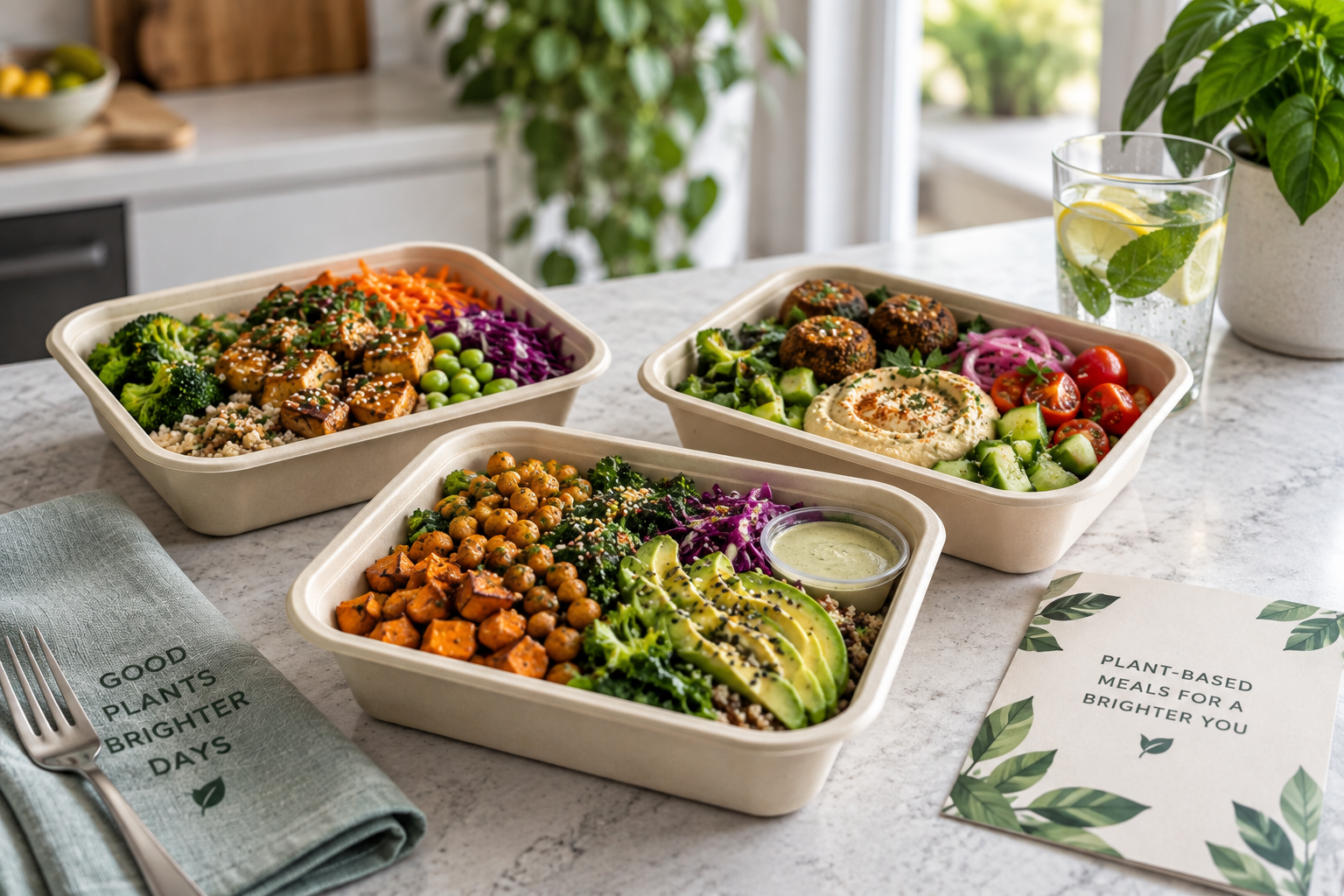
Finding time to plan, shop for, and prepare balanced meals can become difficult during a busy week. Plant based meal delivery services offer another option by bringing prepared meals or measured ingredients directly to your home.
Depending on the service, you may get heat-and-eat dishes, meal kits that require cooking, or a combination of both.
Before subscribing, it helps to compare more than the menu photos. Price per serving, ingredient quality, meal variety, preparation time, delivery schedules, and dietary options can significantly affect the overall value.
What Is Plant Based Meal Delivery and How Does It Work?
A plant based meal delivery service typically provides meals centered on vegetables, fruits, grains, legumes, nuts, seeds, and other plant-derived ingredients. Some services are entirely vegan, while others offer plant-focused dishes alongside meals containing animal products.
The ordering process generally starts with selecting meals from an online menu. You choose the number of meals or servings you need and select an available delivery date. Your order then arrives chilled or frozen, depending on the provider and type of meal.
There are two common formats.
Meal kits contain measured ingredients and cooking instructions. These can suit you if you enjoy cooking but want to reduce meal planning and grocery shopping.
Prepared meals arrive mostly or completely cooked. They usually require only refrigeration or freezing followed by reheating, making them useful when convenience is the priority.
Plant Based Meal Kits Versus Prepared Meals
Choosing between plant based meal kits and prepared options largely depends on how much time you want to spend in the kitchen.
Meal kits give you greater involvement in preparation. You may need to chop vegetables, cook grains, prepare sauces, and assemble each dish. Cooking times commonly vary according to recipe complexity, so checking the estimated preparation time before ordering can help.
Prepared meals reduce the work considerably. Most can be heated using a microwave or conventional oven according to the provider’s instructions.
Consider meal kits when you enjoy fresh cooking and want to learn new recipes. Prepared meals may make more sense when your schedule leaves little time for food preparation.
What Should You Look for in a Plant Based Meal Service?
The right service depends on your budget, dietary preferences, household size, and schedule. Looking closely at several practical factors can make comparisons easier.
Menu Variety
Check several weeks of menus rather than judging a service from a handful of dishes. A varied menu may include grain bowls, curries, pasta dishes, soups, salads, tacos, and globally inspired recipes.
Variety becomes especially important when ordering several meals every week. Repetitive menus can make a subscription less appealing over time.
Ingredient Information
Look for services that clearly provide ingredient lists and nutritional information. This is particularly useful if you have allergies, intolerances, or specific nutritional goals.
A vegan meal delivery service should exclude animal-derived ingredients, but plant-based menus offered by broader meal companies may follow different definitions. Read individual meal descriptions rather than relying solely on category labels.
Preparation Time
Think realistically about how much cooking you want to do. A recipe requiring 40 minutes might sound manageable until it arrives during an especially busy evening.
If convenience matters most, prepared plant based meals may reduce chopping, cooking, and cleanup. If cooking is part of the experience you want, meal kits provide more hands-on preparation.
Portion Size
Serving sizes vary among providers. Look at serving weights and nutritional information when available, especially if you have particular calorie or protein preferences.
Reviews can provide additional context about portions, although individual appetite varies considerably.
How Much Does Plant Based Meal Delivery Cost?
Prices depend on the provider, number of servings, order size, ingredients, and delivery location. Some companies charge by meal, while others reduce the per-serving price when you order larger quantities.
When comparing services, calculate the complete order cost rather than looking only at the advertised starting price.
For example, suppose one plan costs $11 per serving and you order eight servings. The food costs $88. If shipping adds $10, your effective cost becomes $12.25 per serving.
Another service charging $12 per serving with free shipping would cost $96 for eight servings. In this example, the difference between the two orders is only $2 despite the apparent $1 difference in the advertised meal price.
Actual prices vary by provider and can change, so confirm current pricing directly with the service before subscribing.
Compare More Than the Price Per Serving
Cost matters, but the cheapest plan may not match your needs. Consider what you receive for the total amount paid.
A useful comparison includes:
- Price per serving
- Minimum weekly order
- Shipping or delivery charges
- Portion size
- Number of weekly menu choices
- Ingredient and nutrition information
- Preparation time
- Ability to skip deliveries
- Subscription cancellation terms
- Available dietary filters
This approach gives you a clearer picture of the practical value rather than focusing on one promotional price.
Can Plant Based Meals Provide Enough Protein?
They can. Protein can come from foods such as beans, lentils, chickpeas, tofu, tempeh, peas, nuts, seeds, and certain whole grains.
However, protein amounts vary considerably between dishes. If protein intake matters to you, check the nutrition panel for individual meals rather than assuming every plant-focused dish contains similar amounts.
A healthy meal delivery option should also be evaluated as a complete meal. Consider fiber, sodium, saturated fat, calories, and overall ingredient composition alongside protein.
Your individual nutritional requirements can differ based on factors such as age, activity level, and health circumstances. A qualified healthcare professional or registered dietitian can provide personalized dietary guidance when needed.
Does Plant Based Food Delivery Save Time?
For many households, plant based food delivery can reduce some of the work associated with weekly meals. Grocery planning, shopping, measuring ingredients, and deciding what to cook can take considerable time.
Prepared services typically offer the greatest convenience because cooking requirements are minimal. Meal kits still require kitchen time, although ingredients usually arrive portioned for specific recipes.
However, convenience comes at a cost. Buying groceries and cooking from basic ingredients may cost less, particularly when preparing large batches. The tradeoff is the additional planning, shopping, preparation, and cleanup.
Are Plant Based Meal Plans Flexible?
Subscription flexibility differs significantly among companies. Some plant based meal plans let you change recipes, adjust quantities, skip individual weeks, or pause deliveries through an online account. Others may have stricter deadlines for making changes.
Before entering payment information, check:
- How frequently deliveries occur
- The deadline for changing an upcoming order
- Whether weeks can be skipped
- How subscriptions can be paused
- Cancellation procedures
- Minimum order requirements
- Delivery areas and available days
These details are especially important if you travel frequently or have an unpredictable schedule.
What About Allergies and Dietary Restrictions?
Plant-based does not automatically mean suitable for every dietary restriction. Meals may contain common allergens such as soy, wheat, tree nuts, peanuts, or sesame.
Some companies provide filters for gluten-conscious, high-protein, lower-calorie, or other preferences. However, a dietary preference filter does not necessarily mean a meal is appropriate for someone with a medically diagnosed allergy.
If you have food allergies, review the provider’s allergen information and cross-contact policies carefully before ordering.
Fresh Versus Frozen Plant Based Meals
Both formats have practical advantages.
Fresh refrigerated meals can provide convenient short-term meal planning and generally require minimal preparation. However, you need to pay attention to use-by dates and available refrigerator space.
Frozen meals usually last longer when stored according to package directions, which can reduce pressure to eat everything within several days. They can also provide useful backup meals when plans change.
Is Plant Based Meal Delivery Worth Considering?
The answer depends largely on what you value.
A delivery service may appeal to you if reducing meal planning, grocery shopping, and preparation time is worth paying more than you might spend cooking comparable meals from scratch.
It may be less attractive if keeping food costs as low as possible is your main priority or if you already enjoy planning and cooking your meals.
Instead of immediately committing to a large recurring order, consider trying a smaller order when the provider allows it. This gives you an opportunity to assess portion size, flavor, preparation requirements, packaging, and delivery reliability.
Questions to Ask Before Choosing a Service
Before subscribing, consider these questions:
How much will you actually pay each week?
Include meals, shipping, taxes where applicable, and optional extras.
How many recipes can you choose from?
More options can make recurring orders easier to maintain.
How much cooking is required?
Check preparation times rather than assuming every meal is quick.
Can you easily skip a delivery?
Review deadlines and account controls before subscribing.
Does the menu fit your dietary preferences?
Check actual ingredients and nutritional information.
How are meals delivered and stored?
Determine whether you need refrigerator or freezer space and follow the provider’s food-storage instructions.
Making a Practical Plant Based Meal Delivery Choice
Choosing a meal service comes down to balancing convenience, cost, food preferences, preparation time, and flexibility. Compare several providers using the same criteria so advertised prices or introductory promotions do not become the only deciding factor.
Pay particular attention to the final delivered price, serving size, menu rotation, subscription terms, and amount of cooking involved. A smaller initial order can help you determine how well the meals fit your routine before committing to regular deliveries.
Leave a Reply