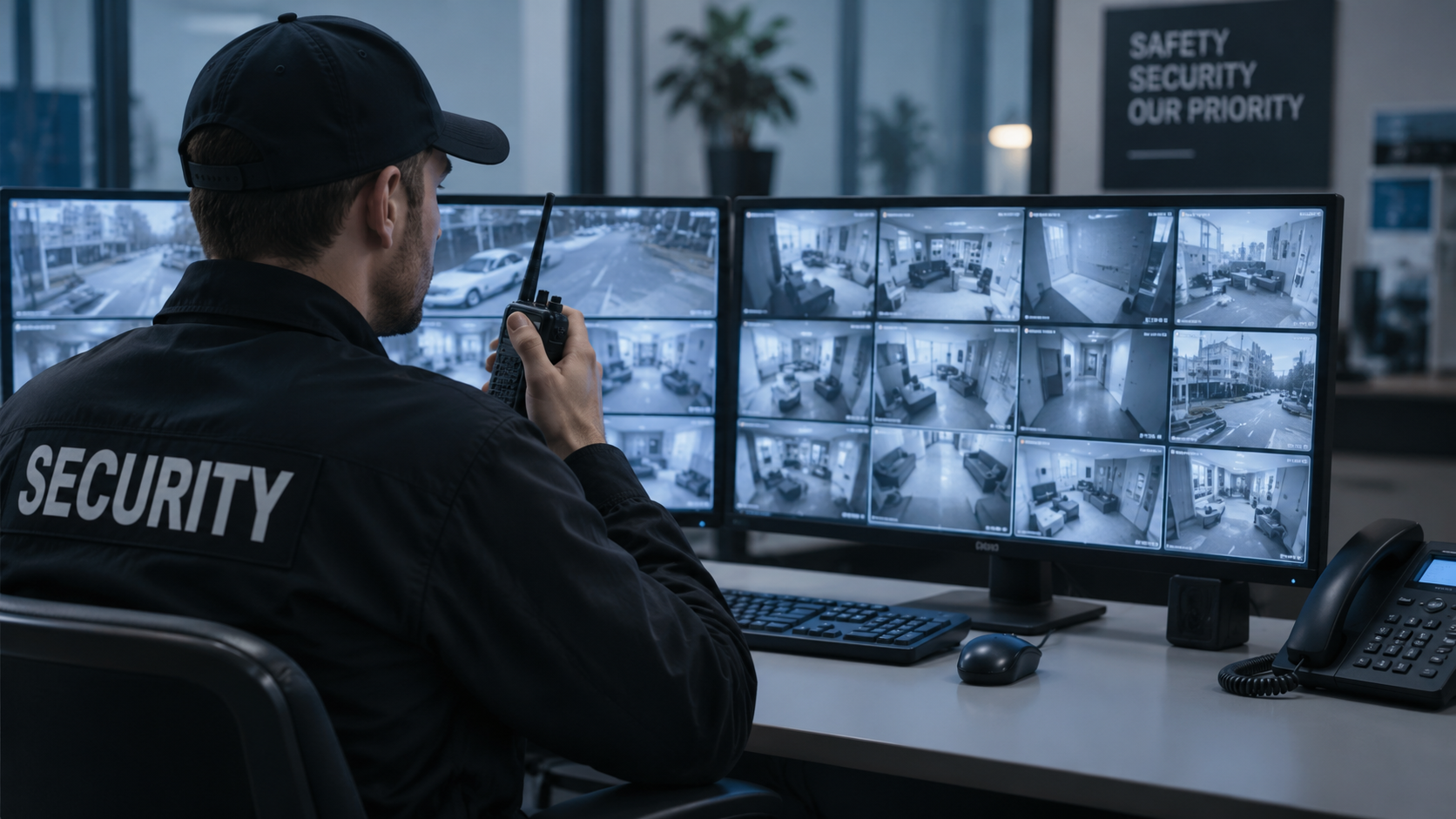
A security alarm can warn you about trouble, but professional security monitoring may take protection one step further by connecting your system to trained monitoring personnel.
When an alarm detects a possible break-in, fire, or other emergency, a monitoring center can review the signal and follow established procedures to contact you or emergency services.
This type of service may be useful when you are asleep, at work, traveling, or simply unable to check a notification immediately.
Related SEO Keywords
- 24/7 home security monitoring
- monitored home security system
- security monitoring service
- home alarm monitoring
- professional alarm monitoring
- home security monitoring cost
What Is Professional Security Monitoring?
Professional security monitoring is a service that connects your home security system to an external monitoring center. When a connected device detects unusual activity, it sends a signal to the monitoring provider.
Depending on your system, monitored events may include:
- Door or window sensors being triggered
- Motion detected inside your home
- Smoke or excessive heat
- Carbon monoxide detection
- Glass breaking
- Panic button activation
- Water leaks or environmental hazards
The monitoring team may attempt to contact you first. If the situation appears to require immediate assistance, the provider may contact police, firefighters, or emergency medical services according to its procedures and local requirements.
How Does Professional Security Monitoring Work?
A monitored home security system typically follows several steps after an alarm is triggered.
1. A Sensor Detects Activity
Your security equipment detects an event such as a door opening unexpectedly, movement inside a protected area, or smoke in the home.
2. Your System Sends an Alert
The control panel or hub sends information to the monitoring center through an internet, cellular, or other supported connection.
3. Monitoring Personnel Review the Signal
The monitoring service receives the alert and follows its verification process. Some providers may call, text, or send an app notification to confirm that you are safe.
4. Emergency Services May Be Contacted
If the event cannot be confirmed as a false alarm or appears to be an emergency, the monitoring center may contact the appropriate authorities.
The exact process can vary based on your provider, equipment, local laws, and the type of alarm involved.
Professional Monitoring vs Self-Monitoring
You may see both professional and self-monitoring options when comparing security systems.
| Feature | Professional Monitoring | Self-Monitoring |
|---|---|---|
| Alarm alerts | Monitoring center and user | User |
| 24/7 oversight | Usually available | Depends on your availability |
| Emergency dispatch support | May be available | You generally make the call |
| Monthly fee | Usually required | Often lower or optional |
| Response when you are unavailable | Monitoring team may respond | Alerts may go unnoticed |
| Mobile app access | Common | Common |
Self-monitoring may work well if you frequently check your phone and prefer lower ongoing costs. Professional alarm monitoring may provide extra support when you cannot respond immediately.
What Are the Benefits of Professional Security Monitoring?
Professional monitoring may offer several advantages depending on your home and lifestyle.
Around-the-Clock Support
One of the biggest advantages is access to 24/7 home security monitoring. Your security system can remain connected to a monitoring center during the day, overnight, and while you are away.
Faster Action During Certain Emergencies
If your system detects a serious event and you do not respond, trained monitoring personnel may follow procedures to request emergency assistance.
Added Protection While You Are Away
Travel, work, and daily activities can make it difficult to respond to every smartphone notification. Professional monitoring gives your system another layer of oversight.
Monitoring Beyond Burglary Alerts
Many modern services can monitor more than doors and windows. Compatible equipment may provide alerts for smoke, carbon monoxide, flooding, and other household risks.
Less Dependence on Your Phone
With self-monitoring, you generally need your phone nearby and an active connection. Professional monitoring means someone else may still receive an alarm signal when you miss a notification.
How Much Does Professional Security Monitoring Cost?
Your home security monitoring cost can depend on the provider, equipment, contract, features, and level of service.
Basic monitoring plans may start around $20 to $30 per month, while plans with additional features may cost approximately $40 to $60 per month or more.
You may also encounter other expenses, including:
- Security equipment
- Professional installation
- Activation fees
- Smart-home devices
- Video storage
- Additional cameras or sensors
- Maintenance or replacement equipment
Prices can vary significantly, so you should review both upfront and recurring costs before selecting a plan.
What Equipment Can Be Professionally Monitored?
A security monitoring service can work with many types of home security equipment.
Common devices include:
Door and Window Sensors
These sensors can alert the system when protected entry points are opened while the alarm is armed.
Motion Detectors
Motion sensors help detect movement in selected areas of your home.
Security Cameras
Some systems include indoor, outdoor, or doorbell cameras that allow you to view activity around your property.
Glass-Break Sensors
These devices are designed to detect certain sounds or vibrations associated with breaking glass.
Smoke and Heat Detectors
Connected smoke detectors may send signals to the monitoring center if smoke or unusual heat is detected.
Carbon Monoxide Detectors
Monitored carbon monoxide sensors may provide additional support during a potentially dangerous gas leak.
Panic Buttons
A panic button may allow you to manually trigger an alarm when you need urgent assistance.
Do You Need a Contract for Professional Monitoring?
Some providers require long-term agreements, while others offer month-to-month monitoring.
Before signing up, check:
- Contract length
- Early cancellation fees
- Equipment ownership
- Installation requirements
- Monthly monitoring price
- Automatic renewal terms
- Trial or cancellation periods
Reading the service agreement carefully can help you understand your total commitment.
What Happens During a False Alarm?
False alarms can happen when a sensor is triggered accidentally, a user enters the wrong code, or equipment malfunctions.
A professional monitoring provider may contact you before requesting emergency assistance. You may need to provide a password or verification code to confirm that everything is safe.
You can reduce false alarms by:
- Learning how to operate your system correctly
- Giving authorized household members their own codes
- Replacing batteries when necessary
- Testing sensors regularly
- Keeping motion-sensitive areas clear
- Updating emergency contact information
Some cities may also charge fees for repeated false alarms, so proper system use matters.
Does Professional Monitoring Work During a Power Outage?
Many security systems include backup batteries that allow basic functions to continue during temporary power interruptions.
Systems with cellular communication may also continue sending signals if your home internet connection stops working. Backup capabilities vary, so check how your specific system handles power and internet outages.
What Should You Look for in a Professional Monitoring Service?
Choosing the right home alarm monitoring provider involves more than comparing monthly prices.
Consider the following factors:
Monitoring Availability
Look for monitoring that operates 24 hours a day if continuous coverage is important to you.
Connection Options
Cellular backup may help your system stay connected if your internet service fails.
Equipment Compatibility
Make sure the monitoring service supports the sensors, cameras, and smart-home devices you plan to use.
Mobile App Features
A good security app may let you arm your system, view cameras, receive alerts, and manage users remotely.
Pricing
Compare installation fees, equipment costs, monthly monitoring charges, and optional upgrades.
Contract Terms
Understand cancellation rules and service commitments before agreeing to a long-term plan.
Customer Support
Reliable technical and account support can make troubleshooting your system easier.
Can Professional Monitoring Work With Smart-Home Devices?
Many newer security systems integrate with smart-home technology.
Depending on compatibility, you may be able to connect:
- Smart locks
- Smart lights
- Video doorbells
- Garage door controllers
- Smart thermostats
- Security cameras
- Voice assistants
Automation may allow your devices to respond together. For example, your lights could turn on when an exterior sensor detects movement.
Is Professional Security Monitoring Worth It?
It may be especially useful if:
- You travel frequently
- You spend long hours away from home
- You may not always notice phone notifications
- You want monitored smoke or carbon monoxide detection
- You prefer having trained personnel available to respond to alarm signals
Self-monitoring may still be suitable if you want fewer monthly expenses and feel comfortable handling alerts yourself.
Common Questions About Professional Security Monitoring
Does professional security monitoring prevent break-ins?
A monitored system cannot guarantee that a burglary will not happen. However, visible security equipment, alarms, cameras, and monitoring may help strengthen your overall security setup.
Can you monitor your security system yourself?
Yes. Many systems offer self-monitoring through mobile apps. You receive notifications and decide when to contact emergency services.
Is professional monitoring available 24/7?
Many providers offer 24/7 monitoring, but service details can vary. Confirm the coverage before choosing a plan.
Does professional monitoring require Wi-Fi?
Not always. Some systems use cellular connections or cellular backup to communicate with monitoring centers.
Can renters use professional security monitoring?
Yes. Some wireless security systems work well in apartments and rental homes because they may require little or no permanent installation.
Choosing Professional Security Monitoring for Your Home
Professional security monitoring can give you an additional layer of support by connecting your security system to trained personnel who may respond when an alarm occurs.
It can be especially helpful when you are away from home or unable to check alerts immediately.
Before choosing a service, compare monitoring costs, equipment compatibility, connection methods, contract terms, and emergency response procedures.
Leave a Reply