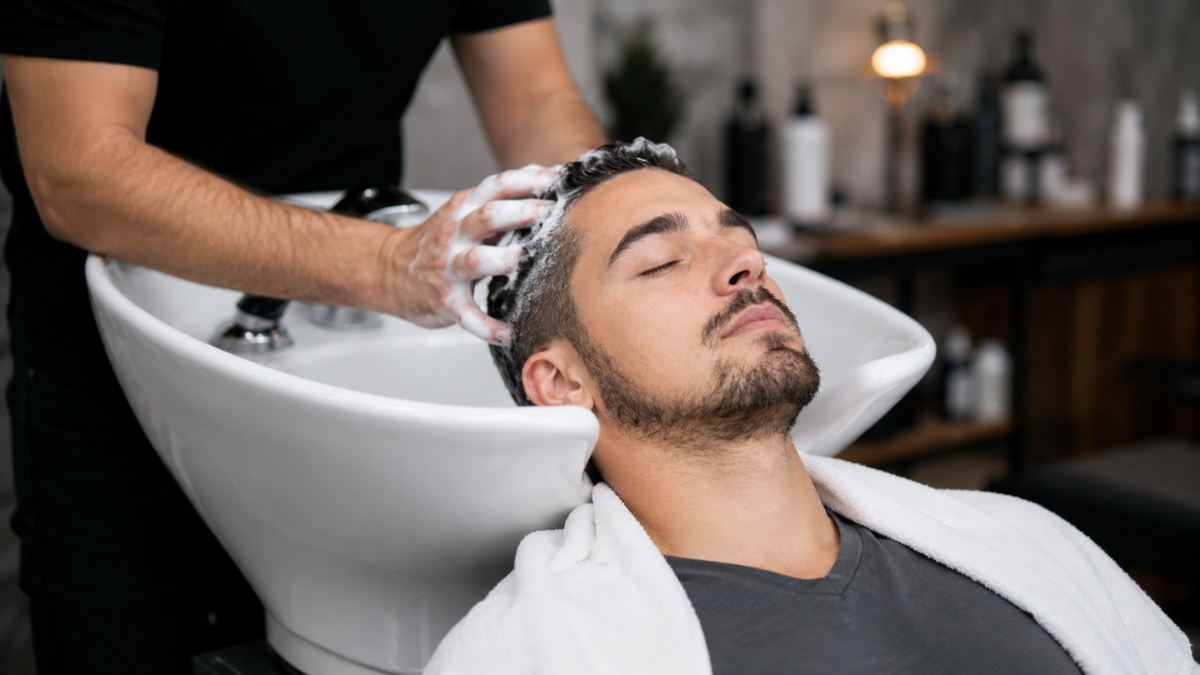
Scalp care for men can be an important part of a consistent grooming routine, especially if you regularly deal with oil buildup, dryness, flakes, sweat, or styling-product residue.
Because the scalp is skin, it may benefit from thoughtful cleansing, moisturizing, and protection rather than relying on shampoo alone.
Your scalp needs can vary depending on your hair type, activity level, climate, and the products you use. Some men may need more frequent cleansing because of excess oil, while others might benefit from gentler washing and added moisture.
Why Scalp Care for Men Matters
Your scalp contains sebaceous glands that naturally produce oil, also known as sebum. This oil helps protect the skin and hair, but too much oil can leave the scalp greasy, while too little may contribute to dryness and discomfort.
Sweat, dead skin cells, environmental debris, and styling products can also accumulate over time. Regular men’s scalp care may help manage this buildup while supporting an environment where your hair and scalp can remain well maintained.
A balanced routine generally focuses on:
- Removing excess oil and product buildup
- Maintaining adequate scalp moisture
- Managing visible flakes
- Avoiding unnecessary irritation
- Protecting exposed areas from the sun
- Choosing products suited to your scalp type
What Can Affect Scalp Health?
Several everyday factors may influence how your scalp looks and feels.
Excess Oil
Some scalps naturally produce more sebum than others. Exercise, warm weather, hats, and certain styling products might make oily buildup more noticeable.
Dryness
Frequent shampooing, hot showers, dry weather, or harsh cleansing products may strip away natural oils and leave your scalp feeling tight or dry.
Product Buildup
Pomades, gels, waxes, dry shampoos, and leave-in products may accumulate on your scalp, particularly when they are used frequently.
Visible Flakes
Flaking can have several possible causes, including dryness and dandruff. Persistent or severe flaking may require a different approach than occasional dry skin.
Sun Exposure
Men with thinning hair, short hairstyles, or shaved heads may have more exposed scalp skin. Sun protection can therefore become an important part of scalp health for men.
How Often Should Men Wash Their Hair and Scalp?
There is no single washing schedule that works for everyone.
| Scalp Type | Possible Cleansing Approach | What to Consider |
|---|---|---|
| Oily | More frequent washing may be useful | Choose a shampoo that cleans without leaving your scalp uncomfortable |
| Dry | Less frequent or gentler washing may help | Look for moisturizing and mild formulas |
| Normal | Wash according to oil, sweat, and buildup | Adjust frequency based on your lifestyle |
| Sensitive | Use gentle, fragrance-conscious products | Avoid aggressive scrubbing |
| Flake-prone | Consider an appropriate anti-dandruff shampoo | Follow product directions carefully |
If you exercise frequently or work in an environment where your scalp becomes sweaty or dirty, your cleansing needs might be different from someone with a less active routine.
A Simple Men’s Scalp Care Routine
You do not necessarily need a shelf full of products. A straightforward routine may be easier to maintain consistently.
1. Choose a Shampoo for Your Scalp Type
Start with your scalp rather than choosing shampoo based only on your hairstyle.
If your scalp becomes greasy quickly, a cleansing shampoo may help remove excess oil. If dryness is the main concern, a mild or moisturizing formula might be more appropriate.
Men who experience dandruff may consider shampoos formulated with ingredients commonly used for flaking concerns.
Follow the directions on the specific product because recommended frequency can vary.
2. Wash With Lukewarm Water
Very hot water can sometimes leave skin feeling dry or uncomfortable. Lukewarm water may provide effective cleansing while being gentler on your scalp.
Apply shampoo mainly to the scalp and massage it gently with your fingertips. There is usually no need for aggressive scratching.
3. Rinse Thoroughly
Shampoo, conditioner, and styling-product residue left behind may contribute to buildup. Take enough time to rinse your scalp and hair thoroughly.
4. Condition Your Hair Appropriately
Conditioner can help improve hair softness and manageability. Men with dry hair may benefit from regular conditioning, while those with very oily or fine hair might prefer applying conditioner primarily to the lengths and ends.
5. Consider Scalp Exfoliation Carefully
Occasional scalp exfoliation for men may help loosen dead skin and product buildup. However, more exfoliation does not necessarily mean better results.
Aggressive physical scrubs or frequent exfoliating treatments might irritate sensitive skin. Follow product instructions and stop using a product if you notice persistent irritation.
6. Moisturize When Needed
A dry scalp may benefit from lightweight moisturizing products designed specifically for scalp use. Look for formulas that fit your skin and hair type rather than automatically applying heavy oils.
Some oils and rich products may feel comfortable on certain scalps but could contribute to buildup for others.
7. Protect Exposed Scalp Skin
If your scalp is visible because of short, shaved, or thinning hair, consider sun protection when spending time outdoors. A hat can provide physical coverage, while sunscreen suitable for exposed skin may offer another option.
Ingredients You May Find in Scalp Care Products
Understanding common ingredients may make choosing scalp care products for men easier.
Salicylic Acid
Salicylic acid is used in some scalp products to help remove dead skin and loosen buildup. Because it can be drying for some people, frequency and product instructions matter.
Ketoconazole
Ketoconazole is an antifungal ingredient found in certain dandruff shampoos. Product availability and concentrations may vary depending on location.
Zinc Pyrithione
Some anti-dandruff products use zinc pyrithione to help address dandruff-related concerns. Availability may differ by market.
Aloe Vera
Aloe vera is included in some moisturizing and soothing scalp formulas. Individual reactions can vary, so a product that works well for one person might not suit another.
Glycerin
Glycerin is a humectant commonly found in skin and hair products. It helps attract moisture and may be useful in formulas designed for dryness.
How Can Men Manage an Oily Scalp?
An oily scalp does not necessarily mean you should scrub harder. Overly aggressive cleansing may leave the scalp uncomfortable.
Instead, you might:
- Wash according to how quickly oil and sweat accumulate
- Use a shampoo formulated for oily hair or scalp
- Rinse products thoroughly
- Avoid applying excessive amounts of heavy styling products directly to the scalp
- Clean hats, pillowcases, combs, and brushes regularly
- Pay attention to how your scalp responds when changing products
Consistency may be more useful than repeatedly switching between harsh treatments.
What About Dry Scalp Care for Men?
Dry scalp care for men typically focuses on gentle cleansing and maintaining moisture.
Consider reducing very hot showers and using milder shampoo if your current routine leaves your scalp feeling tight. Lightweight scalp moisturizers may also be worth considering.
Dryness and dandruff can sometimes look similar, but they are not necessarily the same issue. If flakes continue despite changes to your routine, determining the underlying cause may help you choose a more appropriate approach.
Scalp Care for Men With Thinning Hair
If your hair is thinning, scalp care can still play a useful role in your grooming routine. Keeping the scalp clean and avoiding unnecessary irritation may improve comfort and appearance.
However, scalp care products should not automatically be considered hair-loss treatments. Hair thinning can have many potential causes, and shampoos, oils, or exfoliators may not address the underlying reason.
If you notice sudden hair loss, significant shedding, patchy areas, or persistent changes, consider speaking with a dermatologist or qualified healthcare professional.
Common Scalp Care Mistakes to Avoid
Even a detailed routine may become counterproductive if it is too aggressive.
Try to avoid:
- Scratching your scalp with your fingernails
- Washing repeatedly with very harsh products
- Using extremely hot water
- Applying too many treatments at once
- Exfoliating irritated or damaged skin
- Allowing heavy styling products to build up
- Ignoring persistent redness, pain, sores, or severe itching
Introducing products individually may also make it easier to determine how your scalp responds.
Frequently Asked Questions About Scalp Care for Men
Do men need a separate scalp care routine?
Not everyone needs multiple dedicated scalp products. For many men, appropriate shampooing, conditioning, gentle cleansing habits, and sun protection may provide a solid foundation.
Should you shampoo your hair every day?
Daily shampooing may suit some men, particularly those with oily scalps or active lifestyles. Others may find that less frequent washing works better. Your scalp’s oil production, hair texture, activities, and product use can help determine an appropriate schedule.
Can scalp buildup affect how your hair looks?
Yes. Oil and styling-product residue may make hair appear greasy, flat, or weighed down. Proper cleansing can help remove this buildup.
Is scalp exfoliation necessary?
Not necessarily. Some people may find occasional exfoliation useful, while others may not need it. If you exfoliate, use a product designed for scalp application and avoid excessive scrubbing.
When should you see a dermatologist?
Consider professional advice if you experience persistent or severe itching, redness, scaling, sores, pain, sudden shedding, or patchy hair loss. These symptoms may have causes that require proper evaluation.
Building a Scalp Care Routine That Works for You
Effective scalp care for men does not have to be complicated. Start by identifying whether your scalp tends to be oily, dry, sensitive, or prone to flakes. From there, choose gentle products and adjust your washing routine according to how your scalp responds.
Regular cleansing, careful product selection, appropriate moisture, and protection for exposed scalp skin may help you maintain a cleaner and more comfortable scalp.
Leave a Reply